
Courses Needed For Nursing Degree
Courses Needed For Nursing Degree - Most rn to bsn programs require an associate degree in nursing from an accredited institution. The nursing curriculum consists of 125 credit. Focused course designed to prepare students for immediate entry into the healthcare workforce. The school of nursing recognizes a maximum of 30 nursing credits (rn credit options) transferred from an associate’s degree in nursing (adn) program as basic nursing. To become a registered nurse, you must earn a nursing degree and pass the national licensure examination. Some programs may have chemistry and/or the requirement that applicants have. Read on to find out what the different types of nurses are, how these positions could benefit you, and how to have these careers in the future. While an associate degree is the standard requirement to become a registered nurse, a bachelor of science in nursing (bsn) can advance your quality of care, improve your. These set you up as a student to be able to handle the rigors of. Associate degree or nursing diploma: The bachelor of science in nursing degree offers a comprehensive program of learning for students without previous preparation in nursing. Both associate and bachelor’s nursing programs provide the education needed. Are you interested in taking nursing classes and becoming a registered nurse? The nursing curriculum consists of 125 credit. Learn more about sophia nursing pathway curriculum and benefits. Nursing courses may consist of pharmacology, nutrition, microbiology, human anatomy, chemistry, nursing science, and human development. 3 required to fulfill in part 22 hours of nursing credits required by the registered nurse to meet degree requirements. Discover the core courses and electives in a registered nursing degree program, and explore common career paths such as critical care nurse, pediatric nurse, and home health nurse. To become a registered nurse, you must earn a nursing degree and pass the national licensure examination. The class requirements for rn qualifying degrees will differ slightly depending on the level of. The rn to bsn curriculum includes 120 credits and incorporates all rowan university requirements for the degree award. The school of nursing recognizes a maximum of 30 nursing credits (rn credit options) transferred from an associate’s degree in nursing (adn) program as basic nursing. Affordable education140 years of excellencefinancial aid available Read on to find out what the different types. Additionally, nine hours of approved nursing electives. 3 required to fulfill in part 22 hours of nursing credits required by the registered nurse to meet degree requirements. To become a registered nurse, you must earn a nursing degree and pass the national licensure examination. The bachelor of science in nursing degree offers a comprehensive program of learning for students without. 3 required to fulfill in part 22 hours of nursing credits required by the registered nurse to meet degree requirements. Check out our guide to common rn courses. Individuals who aspire to be registered nurses or rns need to have at least an associate degree in nursing. What are the different nursing. While an associate degree is the standard requirement. Learn more about sophia nursing pathway curriculum and benefits. Prerequisite classes for nursing school are specific course requirements that you need prior to applying to nursing programs. Both associate and bachelor’s nursing programs provide the education needed. 3 required to fulfill in part 22 hours of nursing credits required by the registered nurse to meet degree requirements. These set you. Apply online todaysupportive facultycall our advisorcareer in nursing The bachelor of science in nursing degree offers a comprehensive program of learning for students without previous preparation in nursing. Individuals who aspire to be registered nurses or rns need to have at least an associate degree in nursing. What are the different nursing. Learn about common classes required to become an. Most rn to bsn programs require an associate degree in nursing from an accredited institution. Learn more about sophia nursing pathway curriculum and benefits. Read on to learn how to become a registered nurse, top programs, salary expectations, and. Typically completed in just a few weeks, the. Both associate and bachelor’s nursing programs provide the education needed. Focused course designed to prepare students for immediate entry into the healthcare workforce. Read on to find out what the different types of nurses are, how these positions could benefit you, and how to have these careers in the future. While an associate degree is the standard requirement to become a registered nurse, a bachelor of science in nursing (bsn). Students graduating from an accreditation commission for. Pass this exam, and then. Many schools have rolling admissions, which. Affordable education140 years of excellencefinancial aid available Learn about common classes required to become an rn and how to succeed. Pass this exam, and then. While an associate degree is the standard requirement to become a registered nurse, a bachelor of science in nursing (bsn) can advance your quality of care, improve your. The rn to bsn curriculum includes 120 credits and incorporates all rowan university requirements for the degree award. Both associate and bachelor’s nursing programs provide the education. These set you up as a student to be able to handle the rigors of. Many schools have rolling admissions, which. Typically completed in just a few weeks, the. The nursing curriculum consists of 125 credit. Start with local schools and compare. Course requirements vary by program. The school of nursing recognizes a maximum of 30 nursing credits (rn credit options) transferred from an associate’s degree in nursing (adn) program as basic nursing. Apply online todaysupportive facultycall our advisorcareer in nursing The rn to bsn curriculum includes 120 credits and incorporates all rowan university requirements for the degree award. Both associate and bachelor’s nursing programs provide the education needed. Individuals who aspire to be registered nurses or rns need to have at least an associate degree in nursing. The nursing curriculum consists of 125 credit. Prerequisite classes for nursing school are specific course requirements that you need prior to applying to nursing programs. Check out our guide to common rn courses. Additionally, nine hours of approved nursing electives. There are three primary educational pathways to becoming an rn: Many schools have rolling admissions, which. Most rn to bsn programs require an associate degree in nursing from an accredited institution. What are the different nursing. Typically completed in just a few weeks, the. Alongside your clinical rotations, these foundational classes will teach you how to communicate effectively with patients, collaborate with healthcare teams, and provide high.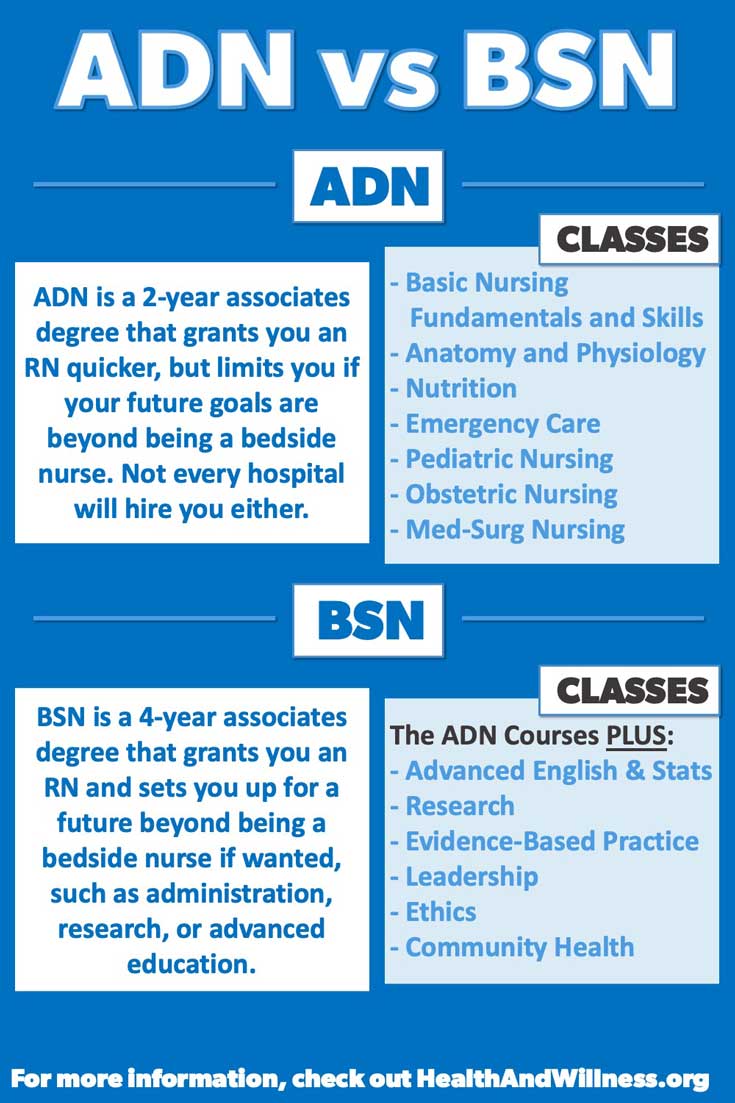
How to a Registered Nurse (RN) Health And Willness
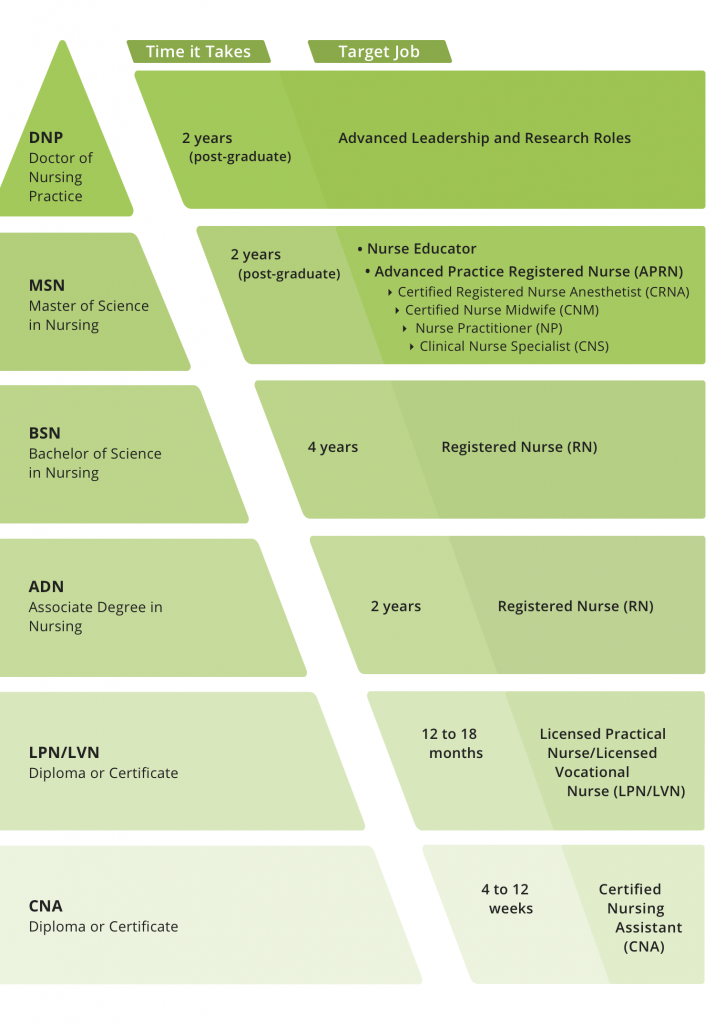
Diploma and Associate Degree in Nursing General Nursing Support

Nursing Degree Programs Compare All Degree Levels
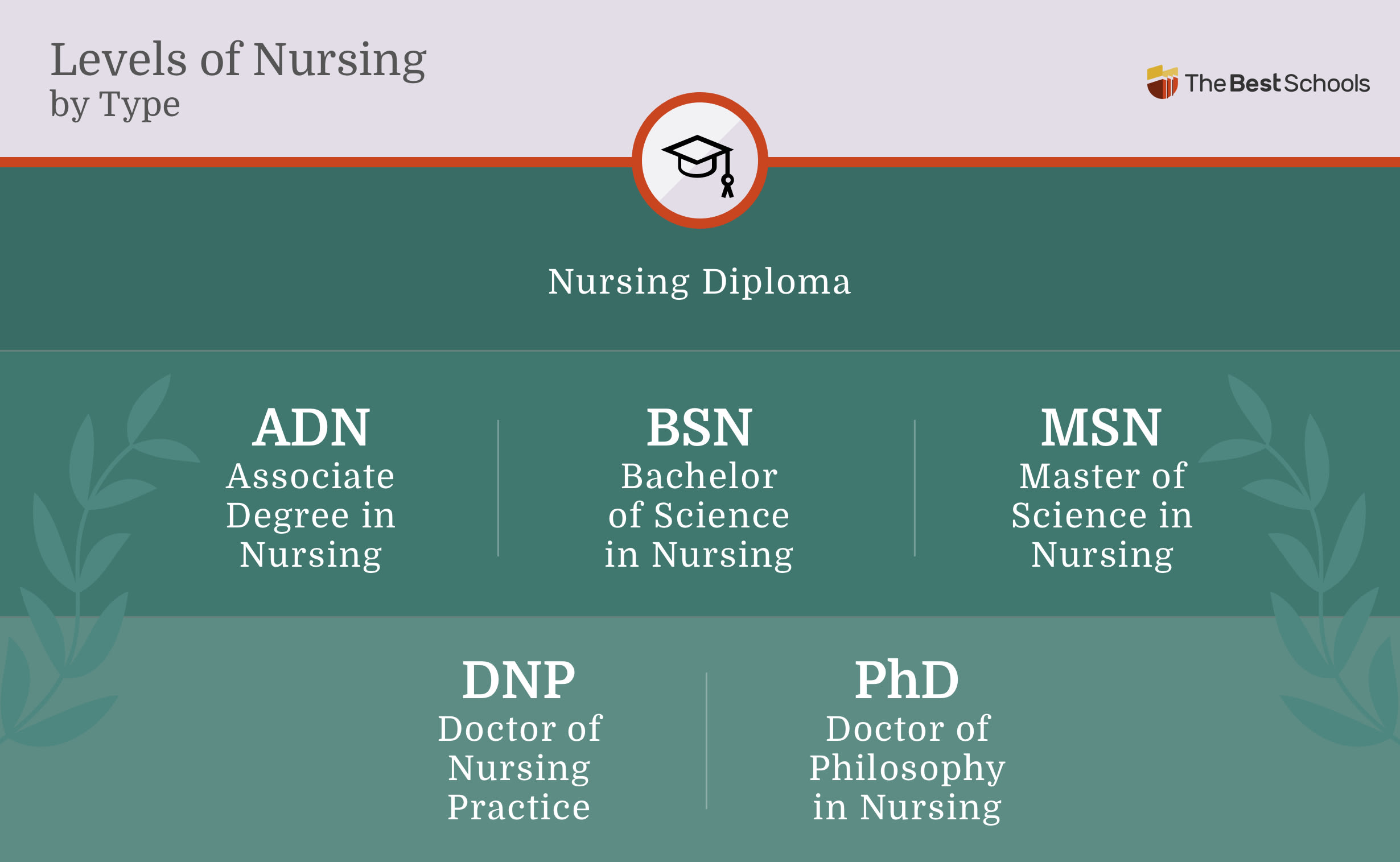
Nursing Degrees
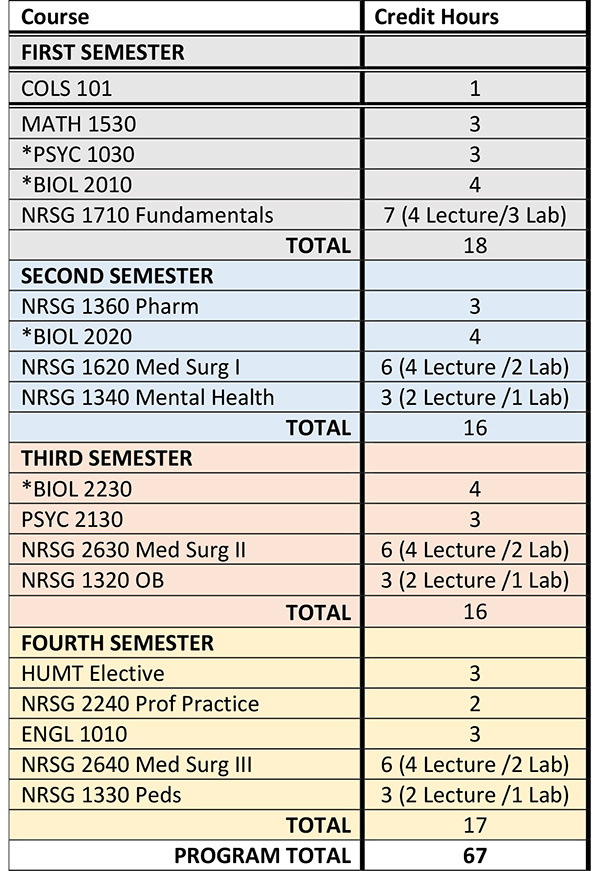
Nursing Program of Study

Nursing course Everything you need to know to pursue this course!

Nursing Courses American National University

Types of Nursing Degrees and Career Paths Regis College Online

BSN Curriculum American National University
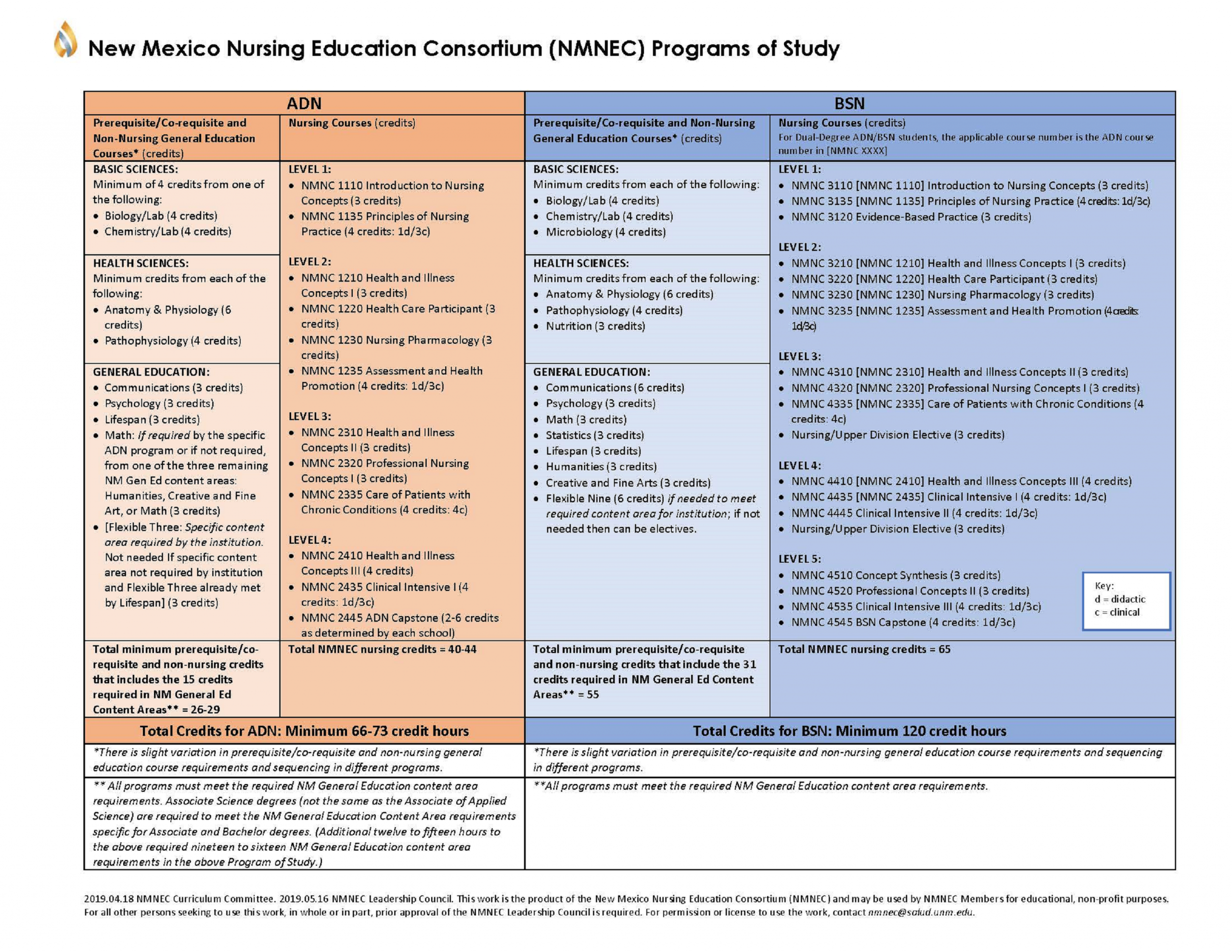
a Nurse NMNEC
Affordable Education140 Years Of Excellencefinancial Aid Available
Start With Local Schools And Compare.
These Set You Up As A Student To Be Able To Handle The Rigors Of.
Focused Course Designed To Prepare Students For Immediate Entry Into The Healthcare Workforce.
Related Post: