
General Physics 1 Online Course
General Physics 1 Online Course - Students learn through completing assigned readings, problems, and laboratory exercises, and through individualized tutoring. This course and phys 202 provide a basis for further. Same degree as campus students. Plan and conduct laboratory investigations to predict relationships between key variables in physics problems. This course provides a thorough introduction to the principles and methods of physics for students who have good preparation in physics and mathematics. Momentum, collisions, work, and energy; Upon completion of acellus general physics, students will be able to: Additionally, recorded lectures, overview sessions, short videos, sample tests, and online tutorials are provided. The student will apply fundamental principles of physics including translational and rotational motion, force, work, mechanical and thermal energy, linear and angular momentum, and fluid mechanics using the tools of algebra and trigonometry. And circular, angular, and harmonic motion. And circular, angular, and harmonic motion. Solve problems using measured numbers, using significant digits, scientific notation, the metric system, math with units, and conversions; Momentum, collisions, work, and energy; This popular physics course provides thorough instruction and study of matter and energy and the interaction between them. Applied physics course not requiring calculus. Apply knowledge and critical thinking skills to relevant physics problems. This course and phys 202 provide a basis for further. Students learn through completing assigned readings, problems, and laboratory exercises, and through individualized tutoring. Sign up for our online physics course today with general physics i. General physics i, 4 luo credits. Additionally, recorded lectures, overview sessions, short videos, sample tests, and online tutorials are provided. This course provides a thorough introduction to the principles and methods of physics for students who have good preparation in physics and mathematics. This popular physics course provides thorough instruction and study of matter and energy and the interaction between them. Apply the concepts of position. Demonstrate an understanding of the fundamental principles of the scientific method, as well as fundamental laws, theories, and principles related to physics. Additionally, recorded lectures, overview sessions, short videos, sample tests, and online tutorials are provided. Upon completion of acellus general physics, students will be able to: Select a course from the results list that fits your needs. Momentum, collisions,. With this physics course, students will investigate the science that describes and explains the nature and behavior of physical systems. Students learn through completing assigned readings, problems, and laboratory exercises, and through individualized tutoring. The student will apply fundamental principles of physics including translational and rotational motion, force, work, mechanical and thermal energy, linear and angular momentum, and fluid mechanics. Momentum, collisions, work, and energy; Suny offers 750+ degrees and thousands of courses online. Straighterline's online general physics i course introduces fundamental concepts like energy, power, and momentum. Apply the concepts of position and displacement, average velocity, position graphs, velocity graphs and acceleration, positive, minus. Solve problems using measured numbers, using significant digits, scientific notation, the metric system, math with. The student will apply fundamental principles of physics including translational and rotational motion, force, work, mechanical and thermal energy, linear and angular momentum, and fluid mechanics using the tools of algebra and trigonometry. Motion in one and two dimensions, velocity, acceleration, forces and newton’s laws of motion, linear and angular momentum, circular motion, the center of mass, torque, mechanics of. The student will apply fundamental principles of physics including translational and rotational motion, force, work, mechanical and thermal energy, linear and angular momentum, and fluid mechanics using the tools of algebra and trigonometry. Emphasis is placed on problem solving and quantitative reasoning. Learn how to get started. We will be covering mechanics—the basic study of how things move—including kinematics, forces,. Emphasis is placed on problem solving and quantitative reasoning. Motion in one and two dimensions, velocity, acceleration, forces and newton’s laws of motion, linear and angular momentum, circular motion, the center of mass, torque, mechanics of rigid bodies, work, kinetic energy, and potential energy. This course provides a thorough introduction to the principles and methods of physics for students who. Plan and conduct laboratory investigations to predict relationships between key variables in physics problems. Solve problems using measured numbers, using significant digits, scientific notation, the metric system, math with units, and conversions; Covers kinematics, newton's laws, energy, momentum, rotational motion, and oscillations. The student will apply fundamental principles of physics including translational and rotational motion, force, work, mechanical and thermal. This course provides a thorough introduction to the principles and methods of physics for students who have good preparation in physics and mathematics. With this physics course, students will investigate the science that describes and explains the nature and behavior of physical systems. Upon completion of acellus general physics, students will be able to: Serach for online and hybrid programs.. Motion in one and two dimensions, velocity, acceleration, forces and newton’s laws of motion, linear and angular momentum, circular motion, the center of mass, torque, mechanics of rigid bodies, work, kinetic energy, and potential energy. With this physics course, students will investigate the science that describes and explains the nature and behavior of physical systems. General physics i, 4 luo. Upon completion of acellus general physics, students will be able to: General physics i, 4 luo credits. We will be covering mechanics—the basic study of how things move—including kinematics, forces, energy, and rotation. Motion in one and two dimensions, velocity, acceleration, forces and newton’s laws of motion, linear and angular momentum, circular motion, the center of mass, torque, mechanics of rigid bodies, work, kinetic energy, and potential energy. Sign up for our online physics course today with general physics i. Demonstrate an understanding of the fundamental principles of the scientific method, as well as fundamental laws, theories, and principles related to physics. Emphasis is placed on problem solving and quantitative reasoning. Plan and conduct laboratory investigations to predict relationships between key variables in physics problems. Learn how to get started. Apply knowledge and critical thinking skills to relevant physics problems. Search for an online course by keyword, semester, campus, area, or a combination of each. Students learn through completing assigned readings, problems, and laboratory exercises, and through individualized tutoring. Apply the concepts of position and displacement, average velocity, position graphs, velocity graphs and acceleration, positive, minus. Covers kinematics, newton's laws, energy, momentum, rotational motion, and oscillations. Momentum, collisions, work, and energy; The student will apply fundamental principles of physics including translational and rotational motion, force, work, mechanical and thermal energy, linear and angular momentum, and fluid mechanics using the tools of algebra and trigonometry.
SelfLearning Modules General Physics 1
6 Module 6 q1 General Physics 1 PDF Velocity Acceleration

AP Physics 1 Unit 6 Energy & Momentum of Rotating Systems Online
Gen Physics 1 Mod 2 GENERAL PHYSICS 1 Quarter 1 Module 2 VECTORS
Easy Hard Science
INTRODUCTION TO COLLEGE PHYSICS 1 COURSE INTRODUCTION MAP OF
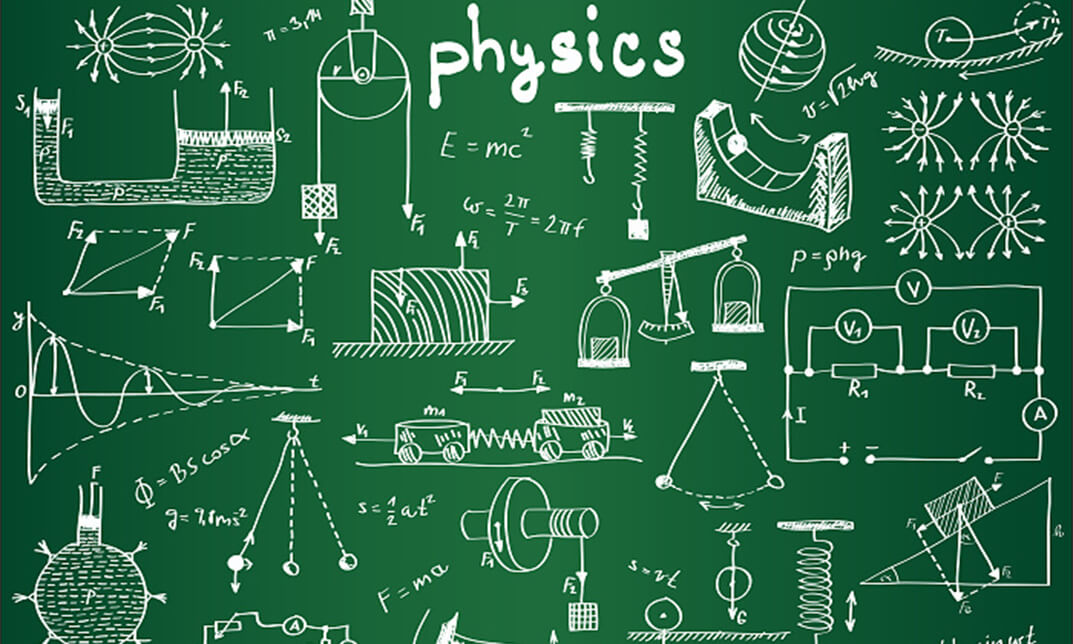
Physics General Physics Course Edukite

FREE PHYSICS ONLINE COURSES WITH CERTIFICATES FREE ENGINEERING PHYSICS
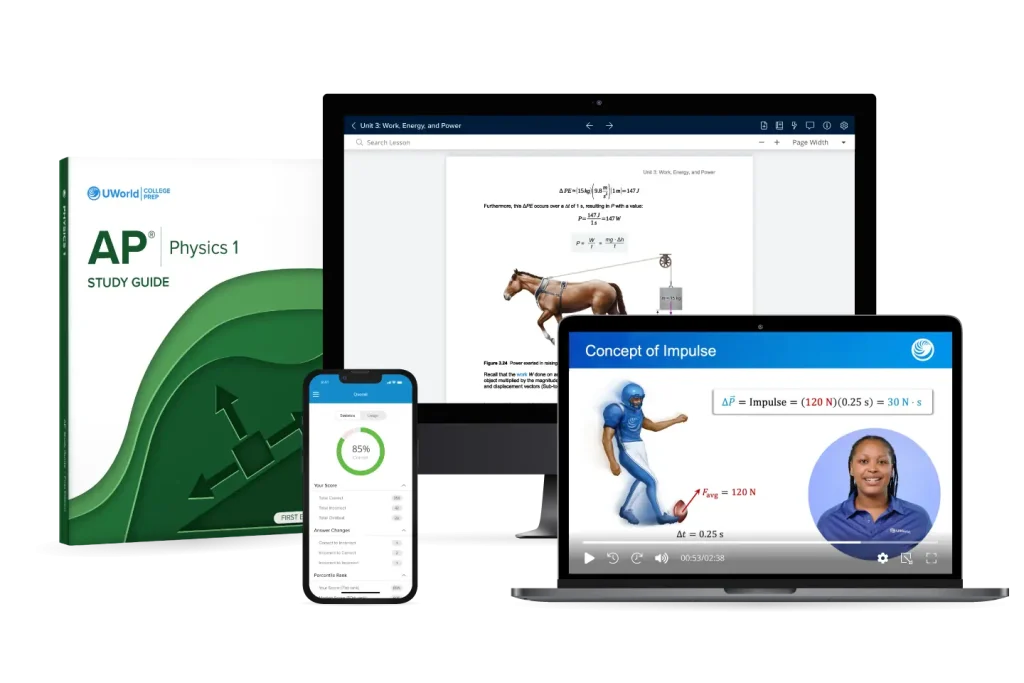
AP® Physics 1 Online Course Question Bank Study Guide Book
General Physics 1 Lesson 1 PDF International System Of Units
This Course And Phys 202 Provide A Basis For Further.
Select A Course From The Results List That Fits Your Needs.
And Circular, Angular, And Harmonic Motion.
Topics Include Mechanics, Heat, Wave Motion, And Sound.
Related Post:

