
Magnetic Course Vs Magnetic Heading
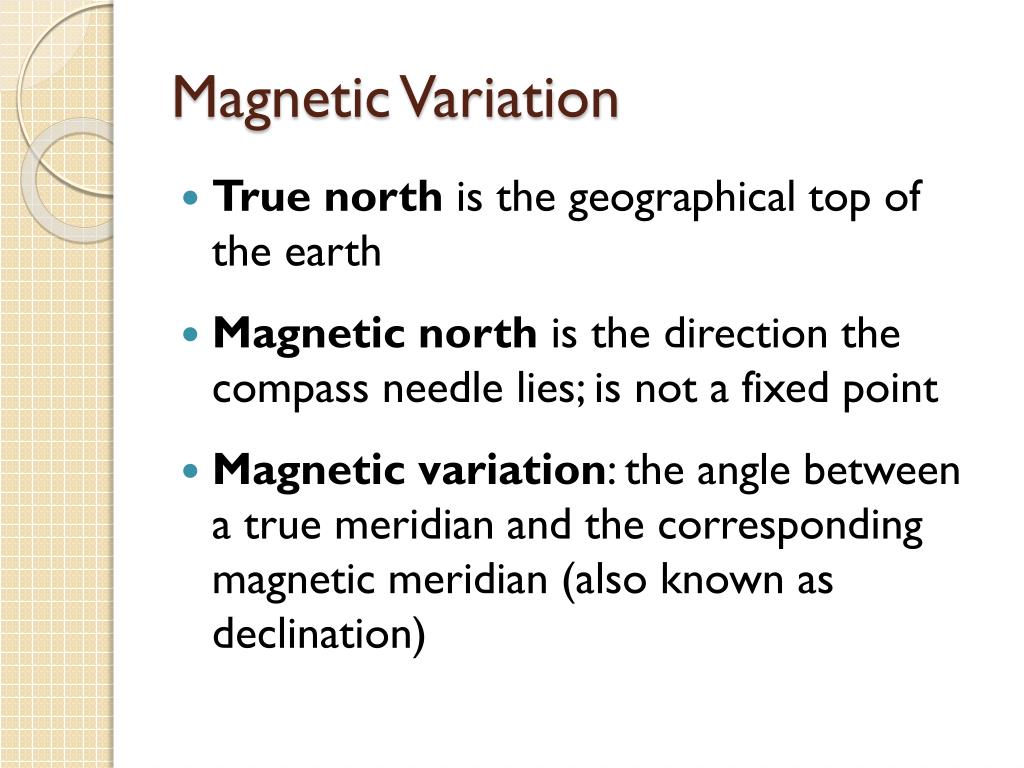
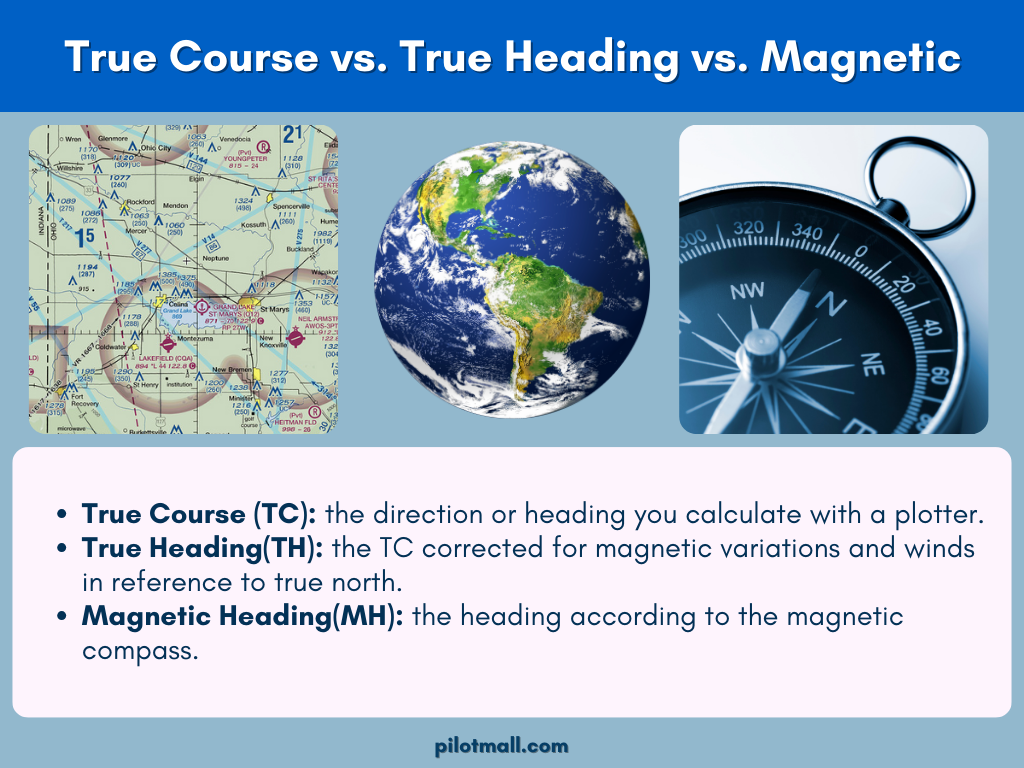
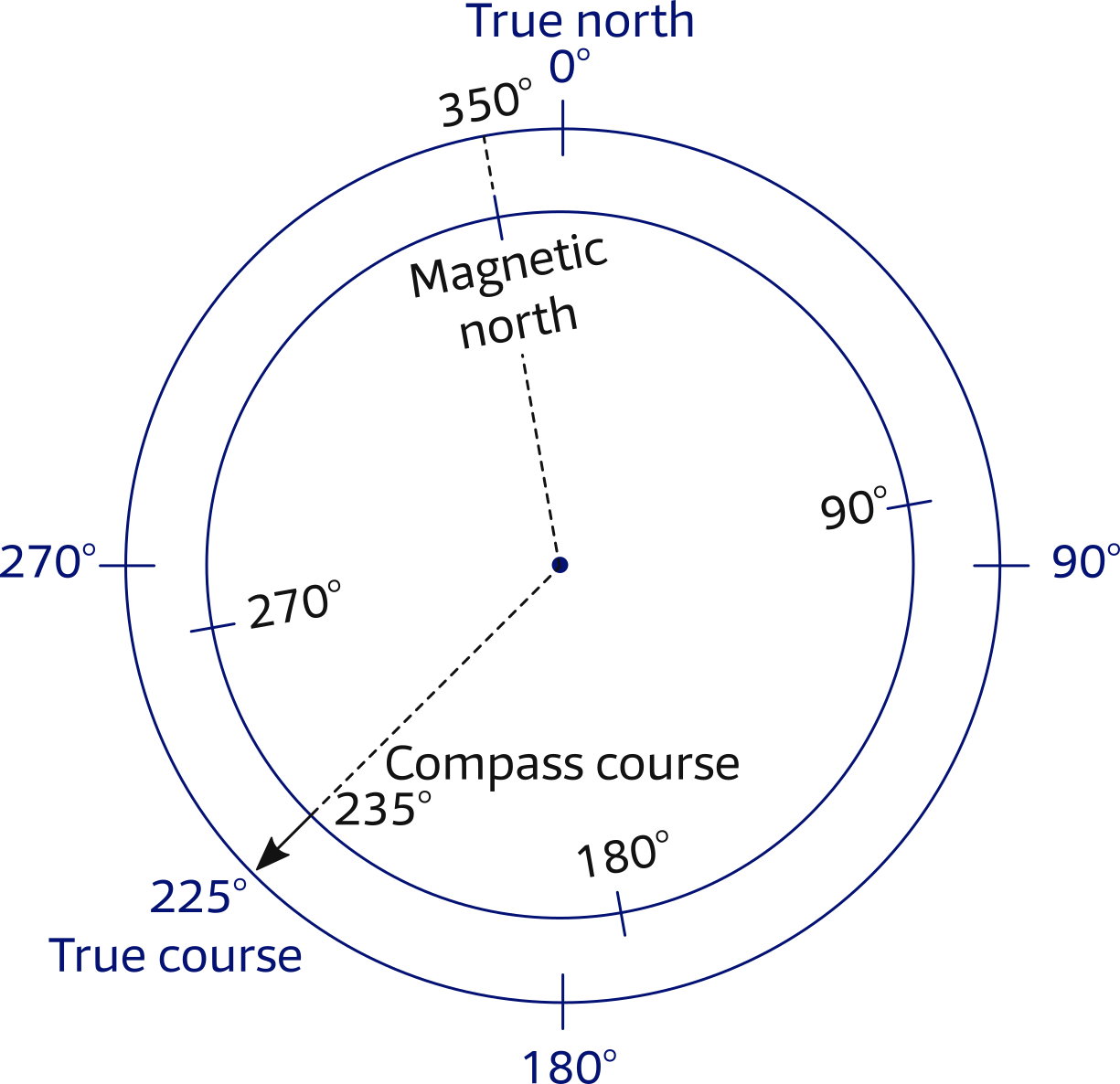
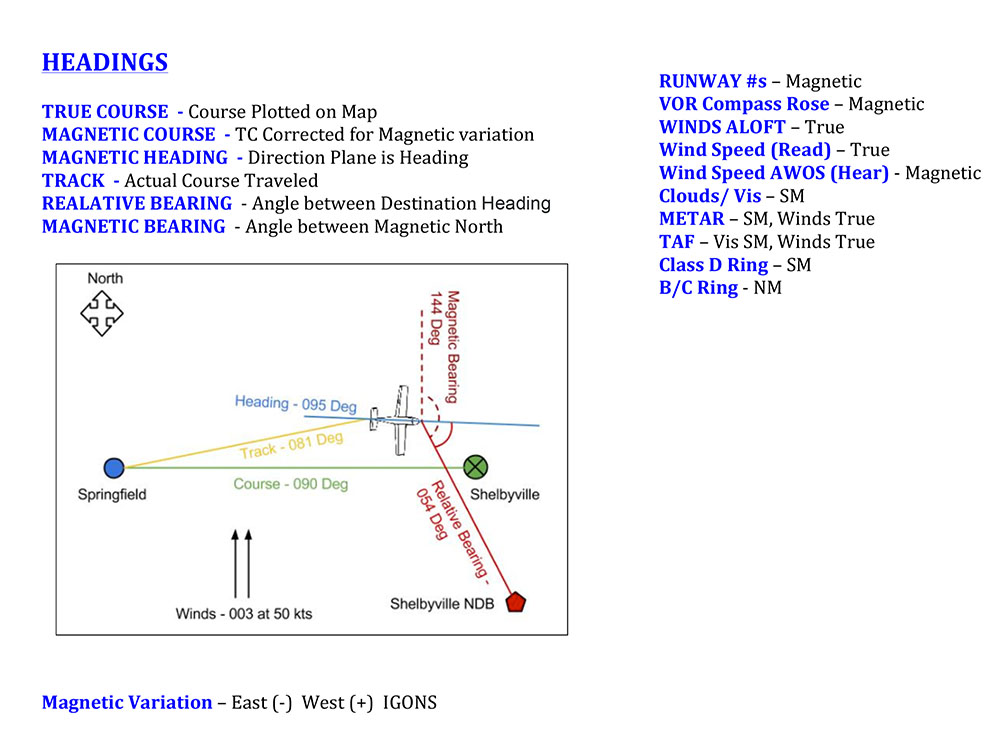
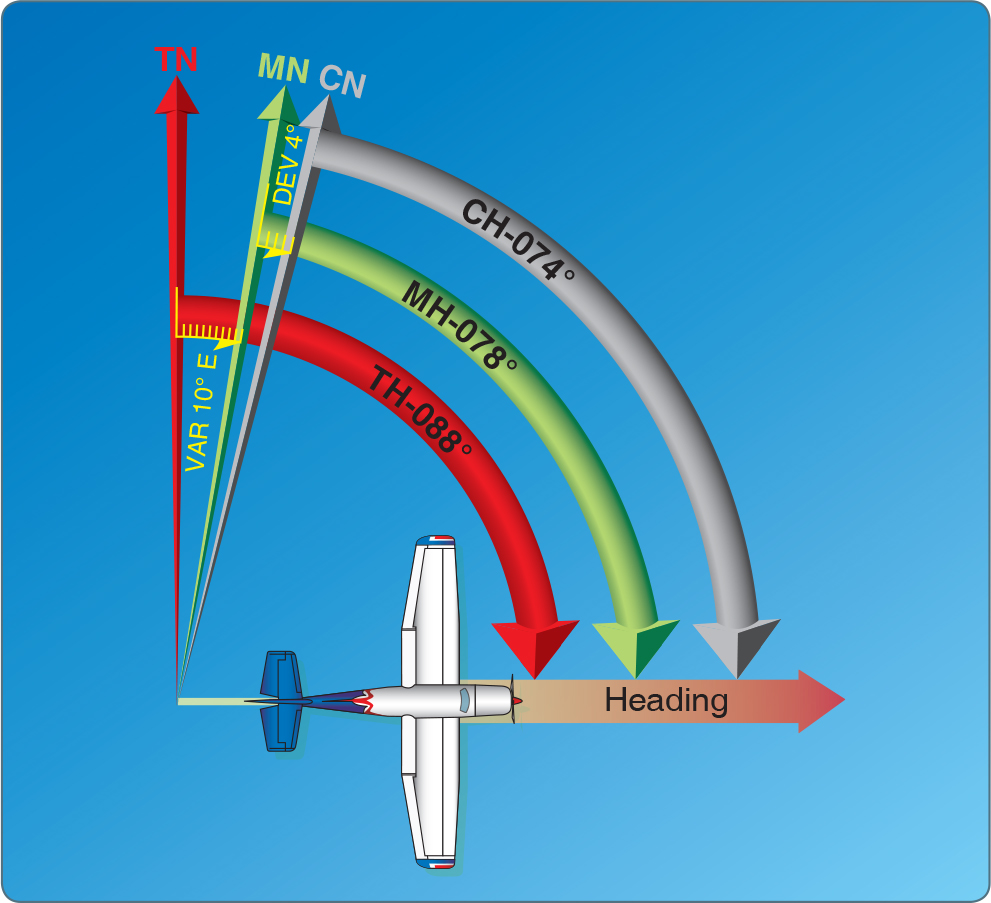
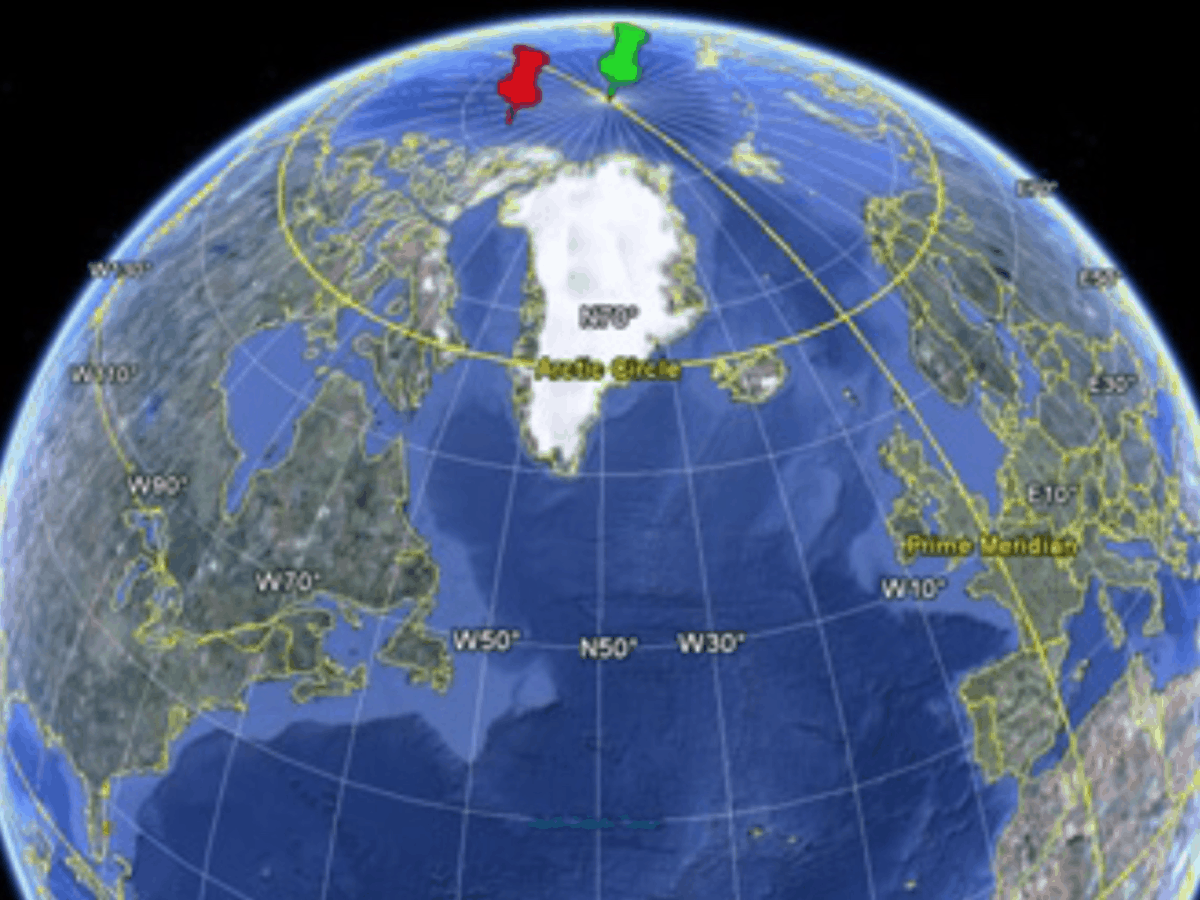
Magnetic Course Vs Magnetic Heading - In this article we discuss navigation concepts and look at the differences between course and heading. Bearing is the angle between any two. The reference is the true north, the closest point to the axis of rotation of the planet; Magnetic heading is where the airplane is pointed. The difference between true north and magnetic north is known as variation. There are a lot of different terms that we use when we plan flights: Heading is the direction the airplane is pointed, whereas track is the actual direction of the airplane tracking across the ground. See answers from pilots and experts on askacfi.com, a forum for flight training questions. While they are related, they refer to. Learn the definitions and differences of these three terms related to aircraft orientation and trajectory. In this article we discuss navigation concepts and look at the differences between course and heading. The difference between magnetic course (mc) and magnetic heading (mh) lies in their references to direction in navigation. See answers from pilots and experts on askacfi.com, a forum for flight training questions. Magnetic course (mc) is the direction over the. Magnetic heading is where the airplane is pointed. Your magnetic heading, corrected via use of the. Intuitively, ground track should be a true course as it is (presumably). While they are related, they refer to. The reference is the true north, the closest point to the axis of rotation of the planet; The reference is the north of the earth’s magnetic. Find out how to calculate them and why they matter for pilots. Is the ground track (trk in garmin) a magnetic or a true course or does it depend on a specific gps unit? Magnetic course (mc) and magnetic heading (mh) are two essential concepts in navigation, particularly in aviation and maritime contexts. The reference is the true north, the. The difference between magnetic course (mc) and magnetic heading (mh) lies in their references to direction in navigation. The difference between true north and magnetic north is known as variation. There are a lot of different terms that we use when we plan flights: We will call course the trajectory to follow, it is the planned or desired. In this. Your magnetic heading, corrected via use of the. The difference between true north and magnetic north is known as variation. Here is a cheat sheet showing the difference between true course, headings, & bearings along with a list of what is described in magnetic verses true, and statute miles (sm). Learn the differences and roles of true course, true heading,. Magnetic heading is where the airplane is pointed. The difference between magnetic course (mc) and magnetic heading (mh) lies in their references to direction in navigation. Intuitively, ground track should be a true course as it is (presumably). Is the ground track (trk in garmin) a magnetic or a true course or does it depend on a specific gps unit?. Here is a cheat sheet showing the difference between true course, headings, & bearings along with a list of what is described in magnetic verses true, and statute miles (sm). Intuitively, ground track should be a true course as it is (presumably). Magnetic heading is where the airplane is pointed. Magnetic course is the airplane’s course across the ground, relative. Lines of variation are shown on a sectional chart as dashed magenta. In this article we discuss navigation concepts and look at the differences between course and heading. Find out how to calculate them and why they matter for pilots. The difference between true north and magnetic north is known as variation. There are a lot of different terms that. Learn the differences and roles of true course, true heading, and magnetic heading in aviation navigation. While they are related, they refer to. The difference between true north and magnetic north is known as variation. Your magnetic heading, corrected via use of the. Lines of variation are shown on a sectional chart as dashed magenta. We will call course the trajectory to follow, it is the planned or desired. Intuitively, ground track should be a true course as it is (presumably). While they are related, they refer to. Find out how to calculate them and why they matter for pilots. Magnetic heading is where the airplane is pointed. Learn the differences and roles of true course, true heading, and magnetic heading in aviation navigation. See answers from pilots and experts on askacfi.com, a forum for flight training questions. The difference between magnetic course (mc) and magnetic heading (mh) lies in their references to direction in navigation. Heading is the direction the airplane is pointed, whereas track is the. Lines of variation are shown on a sectional chart as dashed magenta. In this article we discuss navigation concepts and look at the differences between course and heading. Here is a cheat sheet showing the difference between true course, headings, & bearings along with a list of what is described in magnetic verses true, and statute miles (sm). There are. The reference is the true north, the closest point to the axis of rotation of the planet; Bearing is the angle between any two. Is the ground track (trk in garmin) a magnetic or a true course or does it depend on a specific gps unit? Learn the differences and roles of true course, true heading, and magnetic heading in aviation navigation. Learn the definitions and differences of these three terms related to aircraft orientation and trajectory. Magnetic course (mc) and magnetic heading (mh) are two essential concepts in navigation, particularly in aviation and maritime contexts. See answers from pilots and experts on askacfi.com, a forum for flight training questions. Magnetic course is the airplane’s course across the ground, relative to magnetic north. Intuitively, ground track should be a true course as it is (presumably). There are a lot of different terms that we use when we plan flights: Find out how to calculate them and why they matter for pilots. Lines of variation are shown on a sectional chart as dashed magenta. The difference between true north and magnetic north is known as variation. In this article we discuss navigation concepts and look at the differences between course and heading. While they are related, they refer to. Here is a cheat sheet showing the difference between true course, headings, & bearings along with a list of what is described in magnetic verses true, and statute miles (sm).
The Difference Between True and Heading Airplane Academy

True and Course Courses and Headings in Navigation (Part 1/2
PPT Navigation PowerPoint Presentation, free download ID5588047
True Course vs True Heading vs (How Are They Different?)

Enriching an NMEA Stream

Compass Heading vs Heading [True North, North and
Reading A Compass Degrees
Aviation Heading Chart at Lee Porter blog
Navigation The Effect of Wind Learn To Fly
The Difference Between True and Heading Airplane Academy
We Will Call Course The Trajectory To Follow, It Is The Planned Or Desired.
Heading Is The Direction The Airplane Is Pointed, Whereas Track Is The Actual Direction Of The Airplane Tracking Across The Ground.
Magnetic Course (Mc) Is The Direction Over The.
The Reference Is The North Of The Earth’s Magnetic.
Related Post: