
Of Course In Mandarin
Of Course In Mandarin - It can be used in various situations and is suitable for both spoken and written communication. 理所当然 (lǐ suǒ dāng rán).meaning:理所当然 translates to as a matte. This expansion allows duolingo to better serve global learners and meet the growing demand for learning popular asian languages, like japanese, korean, and mandarin. Learn how to pronounce ''of course'' (理所当然) in mandarin chinese with this short pronunciation video.more. Watch this video to learn the difference between them and add them to your chinese tool box. Learn how to say of course (you) can! Learn how to say of course in chinese (standard chinese/mandarin) with free chinese flashcards. Zuò zài nǐ páng biān de nán shēng shì nǐ nán péng you ? 坐在你旁边的男生是你男朋友? is that boy sitting next to you your boy friend? 理所 当 然 lǐsuǒ dāngrán can be translated to english as “taken for granted” or “as a matter of course. In this short you can learn how to say of course / certainly in mandarin chinese (当然 pronounced as [dāng rán] which has the first tone → and second tone ↗. It’s used to describe a situation or something that is expected or accepted without question because it’s considered to be the natural or logical outcome. It can be used in various situations and is suitable for both spoken and written communication. Learn how to say of course in chinese (standard chinese/mandarin) with free chinese flashcards. Understand the core structure of chinese. “当然” is the most commonly used formal expression for “of course” in chinese. Learn how to pronounce ''of course'' (理所当然) in mandarin chinese with this short pronunciation video.more. This expansion allows duolingo to better serve global learners and meet the growing demand for learning popular asian languages, like japanese, korean, and mandarin. Learn more in the cambridge english. Master pronunciation fast (beginner to pro)struggling with chinese pronunciation? 当然 (dāngrán) is the most common way to say “of course” in mandarin. In this course, you will: Learn how to say of course (you) can! Spanish and portuguese speakers can now learn japanese, korean, and mandarin. Exploring the chinese phrase 理所当然we want to share an interesting chinese phrase with you: This complete pinyin course teaches you to. Learn more in the cambridge english. It implies a strong affirmation and can be used in both positive and negative contexts. Start today, and build a skill that lasts a lifetime. Learn how to say of course in chinese (standard chinese/mandarin) with free chinese flashcards. How do you say of course in mandarin? About press copyright contact us creators advertise developers terms privacy policy & safety how youtube works test new features nfl sunday ticket press copyright. 当然 (dāngrán) is the most common way to say “of course” in mandarin. Learn how to say of course in chinese (standard chinese/mandarin) with free chinese flashcards. In this course, you’ll learn how to form sentences. How do you say of course in mandarin? Previously many only had access. Or would you just say something like 肯定? 理所当然 (lǐ suǒ dāng rán).meaning:理所当然 translates to as a matte. “当然” is the most commonly used formal expression for “of course” in chinese. Just real understanding — clear, simple, and step by step. Understand the core structure of chinese. In chinese, how to say it in real life and how you can use memrise to learn other real chinese phrases. Or would you just say something like 肯定? “当然” is the most commonly used formal expression for “of course” in chinese. Learn more in the cambridge english. Previously many only had access. ( certainly ) 当然 [ dāngrán ] that is of course true. It can be used in various situations and is suitable for both spoken and written communication. Exploring the chinese phrase 理所当然we want to share an interesting chinese phrase with you: This complete pinyin course teaches you to. Understand the core structure of chinese. There are several ways to express of course in mandarin chinese. How do you say of course in mandarin? Learn how to pronounce ''of course'' (理所当然) in mandarin chinese with this short pronunciation video.more. As an adverb modifying verbs, it works the same as “of course” in english. How do you say of course in mandarin? There are several ways to express of course in mandarin chinese. It can be used in various situations and is suitable for both spoken and written communication. ( certainly ) 当然 [ dāngrán ] that is of course. There are several ways to express of course in mandarin chinese. It can be used in various situations and is suitable for both spoken and written communication. “当然” is the most commonly used formal expression for “of course” in chinese. In this short you can learn how to say of course / certainly in mandarin chinese (当然 pronounced as [dāng. In this short you can learn how to say of course / certainly in mandarin chinese (当然 pronounced as [dāng rán] which has the first tone → and second tone ↗. In this course, you will: Understand the core structure of chinese. Watch this video to learn the difference between them and add them to your chinese tool box. 理所. Master pronunciation fast (beginner to pro)struggling with chinese pronunciation? In this course, you will: How to say of course in chinese (当然). Learn how to say of course in chinese (standard chinese/mandarin) with free chinese flashcards. This phrase carries a sense of certainty, making it appropriate for formal settings. It’s used to describe a situation or something that is expected or accepted without question because it’s considered to be the natural or logical outcome. Learn more in the cambridge english. 当然 (dāngrán) is the most common way to say “of course” in mandarin. ( certainly ) 当然 [ dāngrán ] that is of course true. Speakers of japanese, korean, mandarin, vietnamese, indonesian, thai, tagalog, hindi, bengali, telugu, and tamil can now learn all of the top seven languages; “当然” is the most commonly used formal expression for “of course” in chinese. Learn how to say of course (you) can! In this course, you’ll learn how to form sentences naturally, ask and answer questions, and express yourself clearly in mandarin. It can be used in various situations and is suitable for both spoken and written communication. This expansion allows duolingo to better serve global learners and meet the growing demand for learning popular asian languages, like japanese, korean, and mandarin. Other than telling people shì de 是的 or duì 对, be more confident and say dāng rán 当然:
How to say “of course” in Mandarin Chinese Cheryl Goer mandarin

19 Best Online Courses For Learning Mandarin Chinese

(Advanced Mandarin Language Course) 汉语进阶课 Mindshapers Publishing

Mandarin Courses (All)

The 19 Best Online Courses for Learning Mandarin Chinese

Teach English in Taiwan Teaching English and Living in TaiwanYuan Ze

How to say "Of Course!" in Mandarin Chinese YouTube

Mandarin Courses Sentralingua
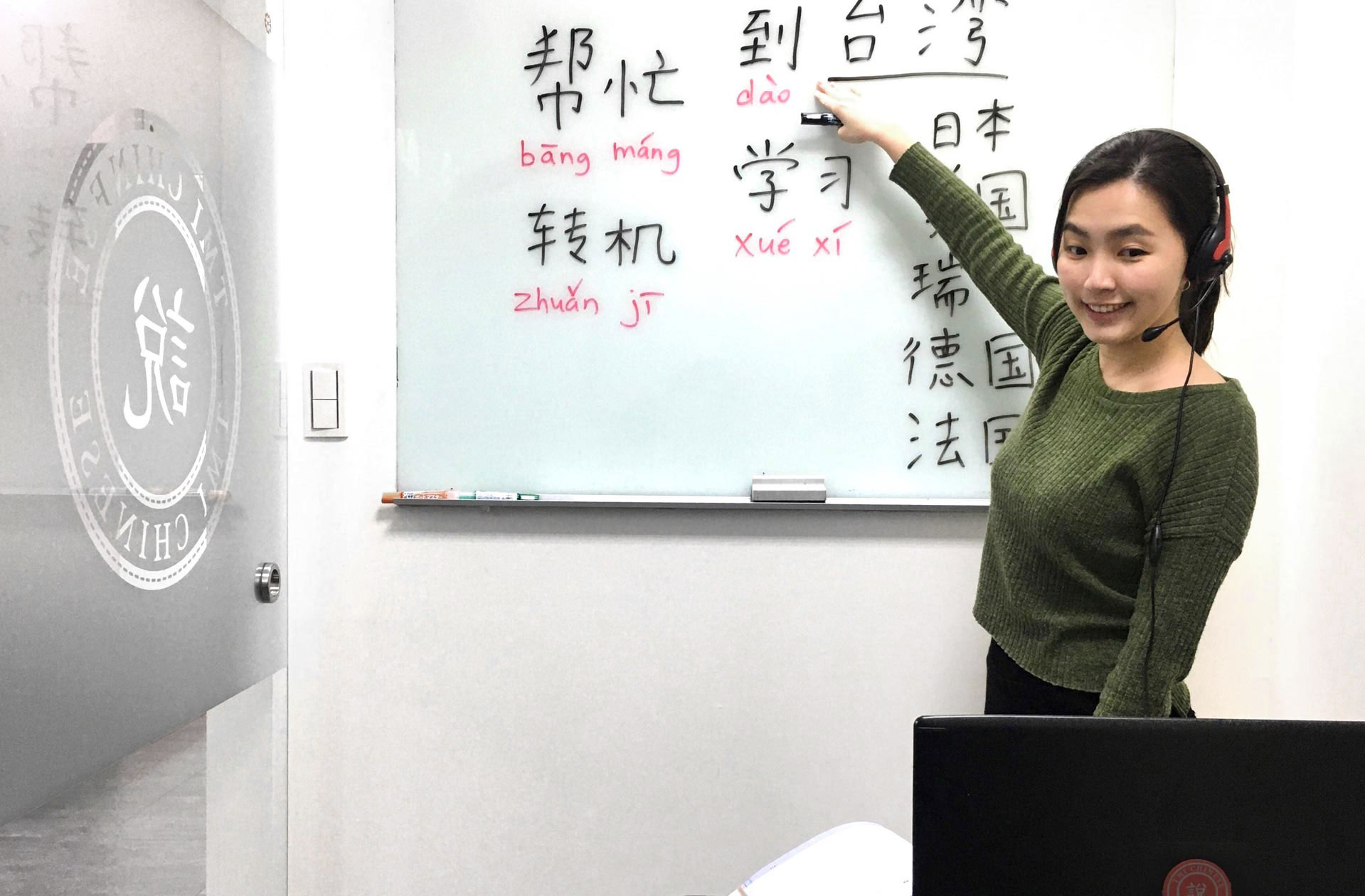
Online Live Distance Mandarin Courses Learn Chinese in Taiwan

OF COURSE in Mandarin Chinese conversation tools you should know
As An Adverb Modifying Verbs, It Works The Same As “Of Course” In English.
Zuò Zài Nǐ Páng Biān De Nán Shēng Shì Nǐ Nán Péng You ? 坐在你旁边的男生是你男朋友? Is That Boy Sitting Next To You Your Boy Friend?
There Are Several Ways To Express Of Course In Mandarin Chinese.
Learn More In The Cambridge English.
Related Post: