
Should I Let A Fever Run Its Course
Should I Let A Fever Run Its Course - How do you know when it’s time to call the. Lowering a child’s temperature doesn’t typically help cure. Studies that compare treating people with fever versus letting the fever run its course haven’t shown a clear benefit to treatment. Some research suggests that letting a fever run its’ course may reduce the severity of illnesses such as the flu or a cold. Thankfully, a higher than normal temperature isn’t usually cause for panic. Here's help making the call. Fever is a common physiological response to infection or illness. Studies that compare treating people with fever versus letting the fever run its course haven’t shown a clear benefit to treatment. These suggestions are for people who don’t have serious health issues. Many studies have now been. Unless evidence suggests otherwise, we advise that fever should be allowed to run its course. That means they don’t have. Some research suggests that letting a fever run its’ course may reduce the severity of illnesses such as the flu or a cold. Fever is a common physiological response to infection or illness. Does this mean that parents should stop administering medicine to. Here’s help knowing what to do. When body temperature rises to 100.4 degrees fahrenheit (38 degrees. Here's help making the call. How do you know when it’s time to call the. So should you treat a fever or let the fever run its course? So should you treat a fever or let the fever run its course? (i) fever should be suppressed because its metabolic costs outweigh its potential physiologic benefit in an already stressed host; These suggestions are for people who don’t have serious health issues. There are two basic fields of thought: But should you give your child medicine or let a. The medical definition of fever centers on a specific threshold: Thankfully, a higher than normal temperature isn’t usually cause for panic. Although fevers are a common response to illness or infection, there are times when a fever should be cause for concern — especially for babies and young children — and. Here's help making the call. Discover the top reasons. Although fevers are a common response to illness or infection, there are times when a fever should be cause for concern — especially for babies and young children — and. Fever is a classic sign of a viral infection like the flu. Discover the top reasons why letting a. Allowing fever to run its course can enhance immune response, but. (i) fever should be suppressed because its metabolic costs outweigh its potential physiologic benefit in an already stressed host; However, there isn’t a lot of harm in. Von jauregg had shown that fever could be used to treat infections, begging the question of whether reducing fever worsened infections. Worried about your child's fever? Although fevers are a common response to. So should you treat a fever or let the fever run its course? These recommendations are for people who are generally healthy — for instance, those who are not. There are two basic fields of thought: Here's help knowing what to do. The medical definition of fever centers on a specific threshold: How do you know when it’s time to call the. But should you give your child medicine or let a fever run its course? Free of ibuprofenfever relieffree of nsaidsfree of aspirin Here's help knowing what to do. So should you treat a fever or let the fever run its course? Worried about your child's fever? Thankfully, a higher than normal temperature isn’t usually cause for panic. What exactly constitutes a fever. “some parents may immediately rush to give their kids medicine but it’s often better to let the fever runs its course. So should you treat a fever or let the fever run its course? Studies that compare treating people with fever versus letting the fever run its course haven’t shown a clear benefit to treatment. But should you give your child medicine or let a fever run its course? There are two basic fields of thought: Discover the top reasons why letting a. Some research suggests that letting a fever run its’ course may. (i) fever should be suppressed because its metabolic costs outweigh its potential physiologic benefit in an already stressed host; Some research suggests that letting a fever run its’ course may reduce the severity of illnesses such as the flu or a cold. But should you give your child medicine or let a fever run its course? Here's help knowing what. Some research suggests that letting a fever run its’ course may reduce the severity of illnesses such as the flu or a cold. When body temperature rises to 100.4 degrees fahrenheit (38 degrees. There are two basic fields of thought: These suggestions are for people who don't have serious health issues. But should you give your child medicine or let. Many studies have now been. However, there isn’t a lot of harm in. There are two basic fields of thought: Does this mean that parents should stop administering medicine to. (i) fever should be suppressed because its metabolic costs outweigh its potential physiologic benefit in an already stressed host; There are two basic fields of thought: But should you give your child medicine or let a fever run its course? Von jauregg had shown that fever could be used to treat infections, begging the question of whether reducing fever worsened infections. Fevers make your body a hostile environment for viruses and can mostly help with recovery. How do you know when it’s time to call the. Unless evidence suggests otherwise, we advise that fever should be allowed to run its course. So should you treat a fever or let the fever run its course? Fever is a classic sign of a viral infection like the flu. So should you treat a fever or let the fever run its course? Thankfully, a higher than normal temperature isn’t usually cause for panic. Fever is a common physiological response to infection or illness.
Should you let fever run its course? Torrinomedica

Should You Take Fever Medicine Or Let It Run Its Course How Fever
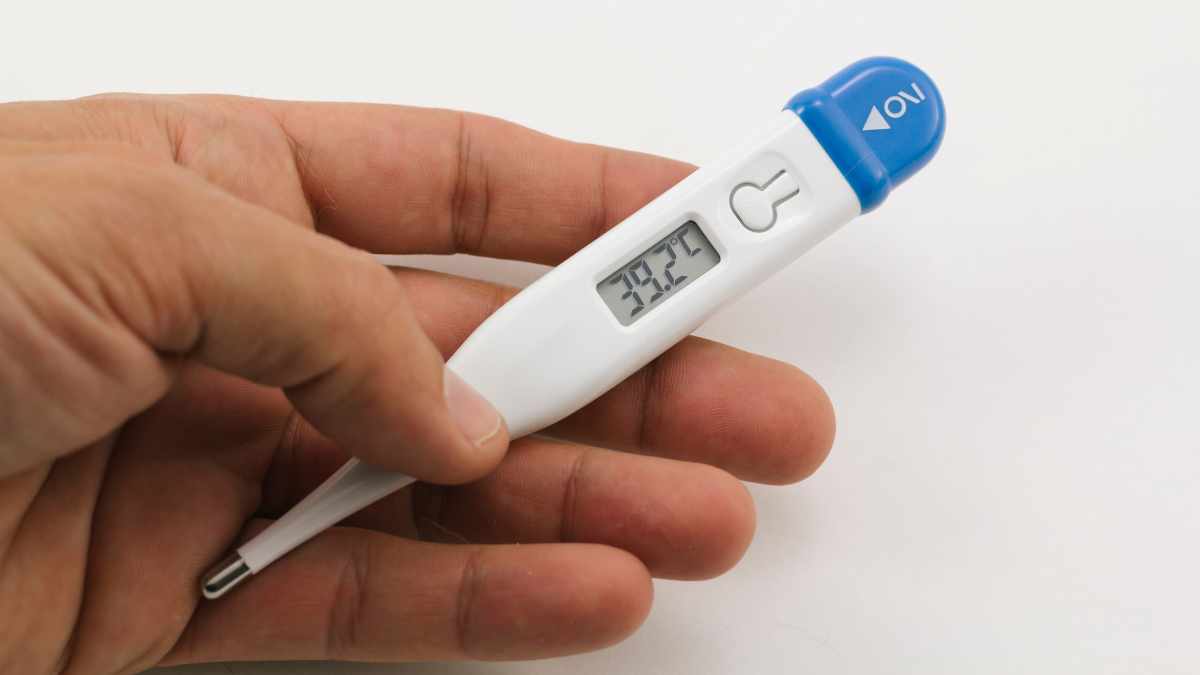
Is it good to let a fever run its course? Torrinomedica

Should you let fever run its course? Torrinomedica

UCLA Health on Twitter "When you’re running a fever, should you try to

Why You Shouldn't Treat A Fever (Most Of The Time) Small Footprint

Understanding Fevers Why Letting Nature Run Its Course Matters

Outrageous Info About How To Tell If Your Running A Fever Commonlab23
/__opt__aboutcom__coeus__resources__content_migration__mnn__images__2018__01__child-with-fever-1db9ed83fa2d4e9b88533d025572420a.jpg)
Should You Let a Fever Run Its Course?

How to Break a Fever Break a fever, Fever, Health and wellness
Here's Help Making The Call.
Although Fevers Are A Common Response To Illness Or Infection, There Are Times When A Fever Should Be Cause For Concern — Especially For Babies And Young Children — And.
(Ii) Fever Is A Protective Adaptive Response That Should Be Allowed To Run Its Course Under Most.
In Most Cases, It's Safe To Let A Fever Run Its Course, As It Can Help The Body Fight Off Infections Effectively.
Related Post: