
The Chemicals Used On Farms Golf Courses
The Chemicals Used On Farms Golf Courses - Learn how mathematics can be used to calculate, predict, analyze, and optimize the use of chemicals on farms and golf courses. Incinerating or disposing them in landfills are used less. As a result, use labels are crafted to protect these resources and must be strictly followed: Now, scientists can slow the roll of a golf ball on a. There are three main groups which can be harmed by the dangers associated with herbicide, pesticide, and pollution liability. The us environmental protection agency (epa) on monday took the rare step of issuing a warning about “serious, permanent, and irreversible health risks” associated with a. It’s the rest of the world that. However, these chemicals can pose significant. Most all publicity related to chemicals and their use on golf courses is negative in nature. Major environmental health risks on golf courses include pesticides and other chemicals, mechanical equipment, sharp tools, and being struck by golf balls [duvall, 2001]. There are three main groups which can be harmed by the dangers associated with herbicide, pesticide, and pollution liability. In general, there are six processes that influence the fate of chemical products applied to golf courses. Golf courses continue to reduce their nutrient use with annual reductions of 41% (37,809 tons) of nitrogen, 59% (19,865 tons) of phosphorus and 54% (47,738 tons) of potassium since. Now, scientists can slow the roll of a golf ball on a. It’s not hard to sell golfers on the benefits of golf. As a result, use labels are crafted to protect these resources and must be strictly followed: Pesticides used to maintain healthy golf course turf have been thoroughly tested by epa. The us environmental protection agency (epa) on monday took the rare step of issuing a warning about “serious, permanent, and irreversible health risks” associated with a. Employees who work on the grounds or other employees who. It’s the rest of the world that. Sorption by soil mineral and organic matter. As a result, use labels are crafted to protect these resources and must be strictly followed: The upsides grow more obvious with every swing. Utilities manage biosolids by selling or offering them as fertilizer to farms, golf courses, and other properties. Golf course chemicals are seen as destructive to people, animals and plants. In conclusion, maintaining a golf course requires the use of chemicals such as pesticides, herbicides, and fertilizers. The grass’ condition on a golf course, regardless of a player’s skill, can drastically skew the chances of a winning putt. It’s not hard to sell golfers on the benefits of golf. The us environmental protection agency (epa) on monday took the rare. It’s the rest of the world that. Employees who work on the grounds or other employees who. Previous studies have highlighted possible risks, particularly. Explore the environmental and health implications of. In conclusion, maintaining a golf course requires the use of chemicals such as pesticides, herbicides, and fertilizers. It’s the rest of the world that. It’s not hard to sell golfers on the benefits of golf. Utilities manage biosolids by selling or offering them as fertilizer to farms, golf courses, and other properties. Historically, the use of pesticides in environments like golf courses has prompted concerns about human exposure. Learn how mathematics can be used to calculate, predict,. It’s not hard to sell golfers on the benefits of golf. As a result, use labels are crafted to protect these resources and must be strictly followed: Major environmental health risks on golf courses include pesticides and other chemicals, mechanical equipment, sharp tools, and being struck by golf balls [duvall, 2001]. Now, scientists can slow the roll of a golf. The us environmental protection agency (epa) on monday took the rare step of issuing a warning about “serious, permanent, and irreversible health risks” associated with a. In conclusion, maintaining a golf course requires the use of chemicals such as pesticides, herbicides, and fertilizers. It’s not hard to sell golfers on the benefits of golf. Now, scientists can slow the roll. The us environmental protection agency (epa) on monday took the rare step of issuing a warning about “serious, permanent, and irreversible health risks” associated with a. The upsides grow more obvious with every swing. Major environmental health risks on golf courses include pesticides and other chemicals, mechanical equipment, sharp tools, and being struck by golf balls [duvall, 2001]. It’s not. Explore the environmental and health implications of. As a result, use labels are crafted to protect these resources and must be strictly followed: Pesticides used to maintain healthy golf course turf have been thoroughly tested by epa. Pfas compounds come to mwrd treatment plants in the water we. Now, scientists can slow the roll of a golf ball on a. It’s the rest of the world that. It’s not hard to sell golfers on the benefits of golf. Sorption by soil mineral and organic matter. Previous studies have highlighted possible risks, particularly. However, these chemicals can pose significant. There are three main groups which can be harmed by the dangers associated with herbicide, pesticide, and pollution liability. The grass’ condition on a golf course, regardless of a player’s skill, can drastically skew the chances of a winning putt. Pfas compounds come to mwrd treatment plants in the water we. Sorption by soil mineral and organic matter. Most all. Golf courses continue to reduce their nutrient use with annual reductions of 41% (37,809 tons) of nitrogen, 59% (19,865 tons) of phosphorus and 54% (47,738 tons) of potassium since. Utilities manage biosolids by selling or offering them as fertilizer to farms, golf courses, and other properties. The upsides grow more obvious with every swing. It’s not hard to sell golfers on the benefits of golf. Most all publicity related to chemicals and their use on golf courses is negative in nature. However, these chemicals can pose significant. Now, scientists can slow the roll of a golf ball on a. Sorption by soil mineral and organic matter. Previous studies have highlighted possible risks, particularly. In conclusion, maintaining a golf course requires the use of chemicals such as pesticides, herbicides, and fertilizers. Learn how mathematics can be used to calculate, predict, analyze, and optimize the use of chemicals on farms and golf courses. Explore the environmental and health implications of. Pesticides used to maintain healthy golf course turf have been thoroughly tested by epa. Golf course chemicals are seen as destructive to people, animals and plants. Major environmental health risks on golf courses include pesticides and other chemicals, mechanical equipment, sharp tools, and being struck by golf balls [duvall, 2001]. There are three main groups which can be harmed by the dangers associated with herbicide, pesticide, and pollution liability.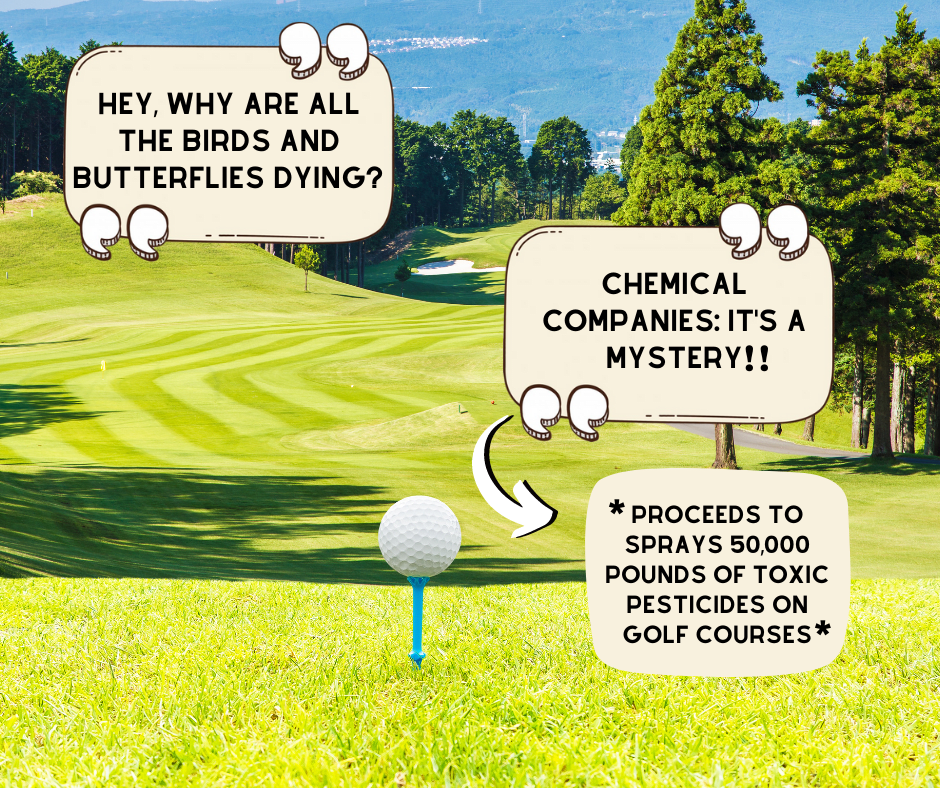
Six Ways Golf Courses Hurt the Environment Take Action

Pesticide Chemicals Used on U.S. Golf Courses (1982) 5 Download
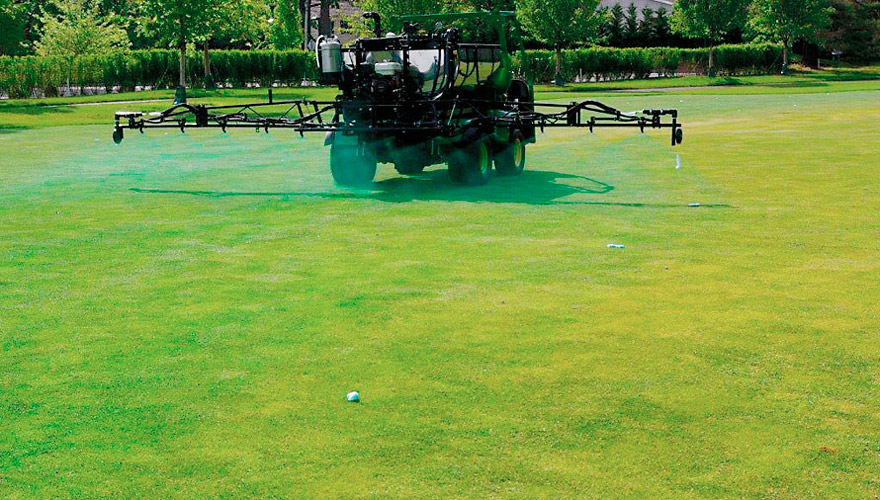
Pesticide Management West Virginia Golf Course Superintendents
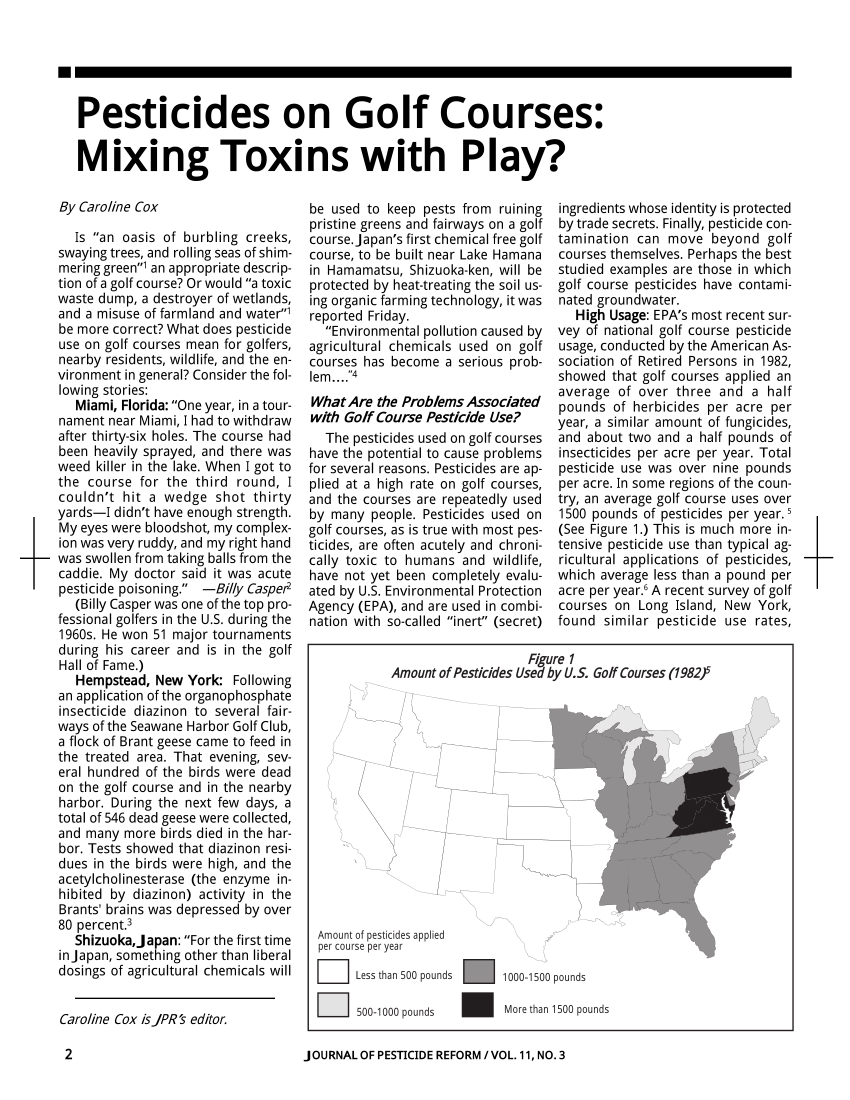
(PDF) Pesticides on Golf Courses Mixing Toxins with Play?

Nutrient And Pesticide Fate On The Golf Course

Buy Vessel 3 Way Herbicide Broad Spectrum Broadleaf Herbicide Sod Farms
SOLVED The chemicals used on farms, golf courses, and domestic gardens
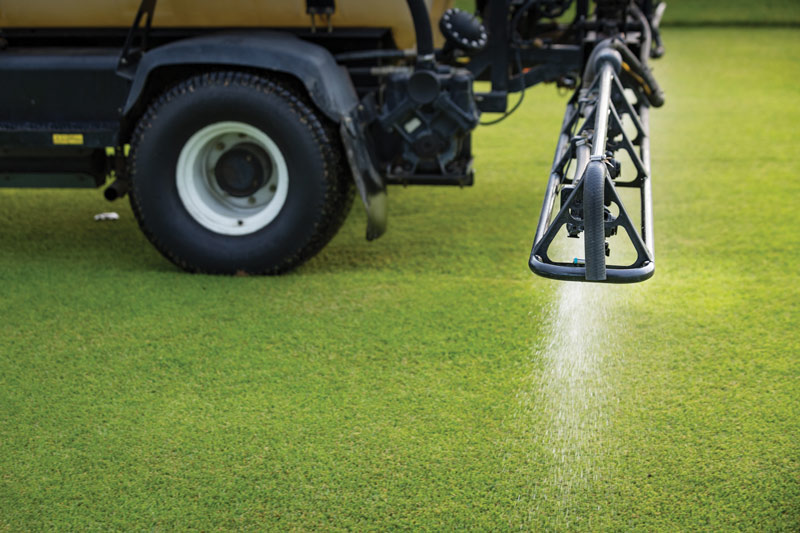
Analyzing pesticide environmental risk on golf courses
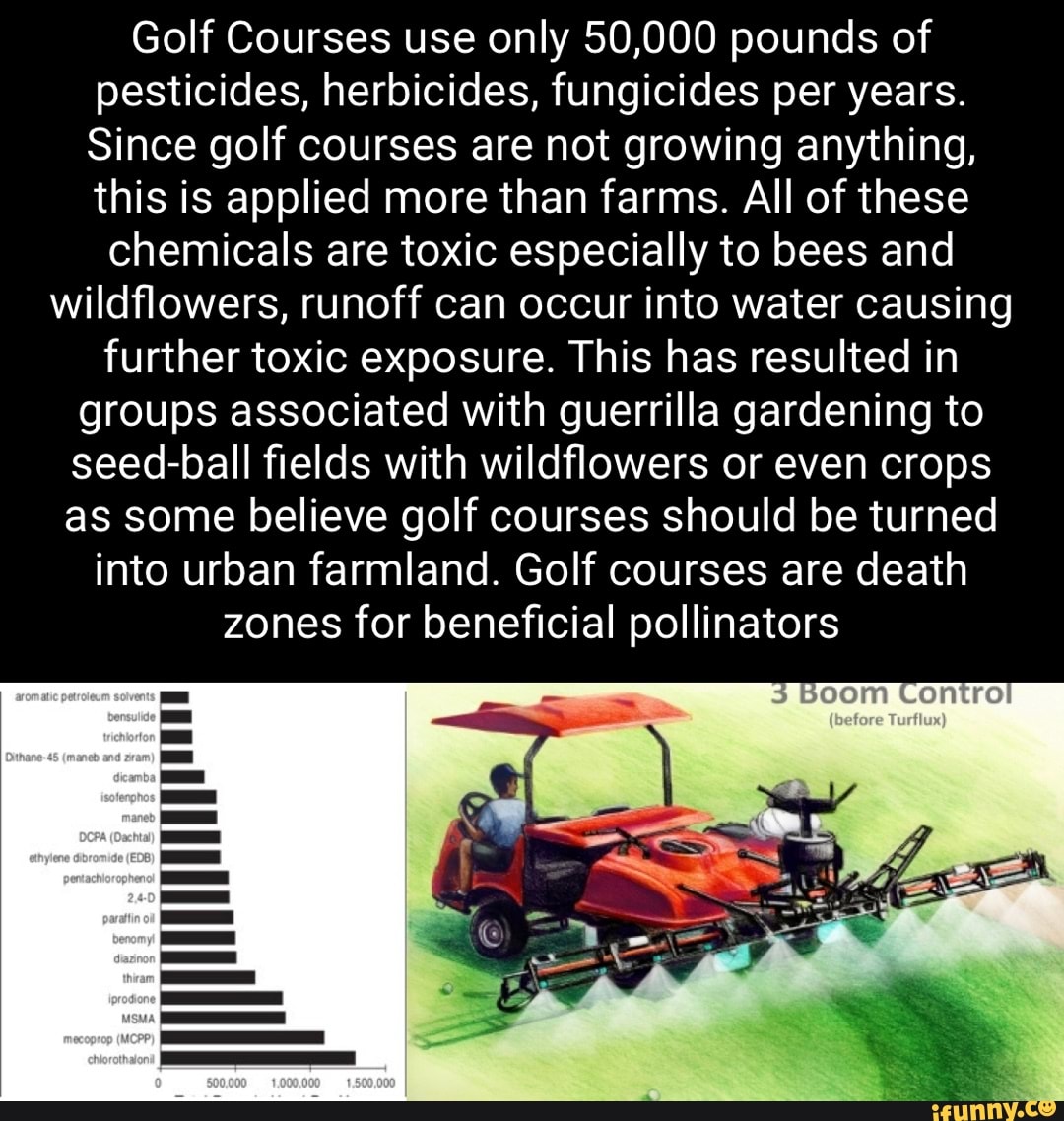
Golf Courses use only 50,000 pounds of pesticides, herbicides
Ditch unwanted pesticides the safe way tribunedigitaldailypress
As A Result, Use Labels Are Crafted To Protect These Resources And Must Be Strictly Followed:
Historically, The Use Of Pesticides In Environments Like Golf Courses Has Prompted Concerns About Human Exposure.
The Grass’ Condition On A Golf Course, Regardless Of A Player’s Skill, Can Drastically Skew The Chances Of A Winning Putt.
Pfas Compounds Come To Mwrd Treatment Plants In The Water We.
Related Post: