
The Course Of Empire Paintings
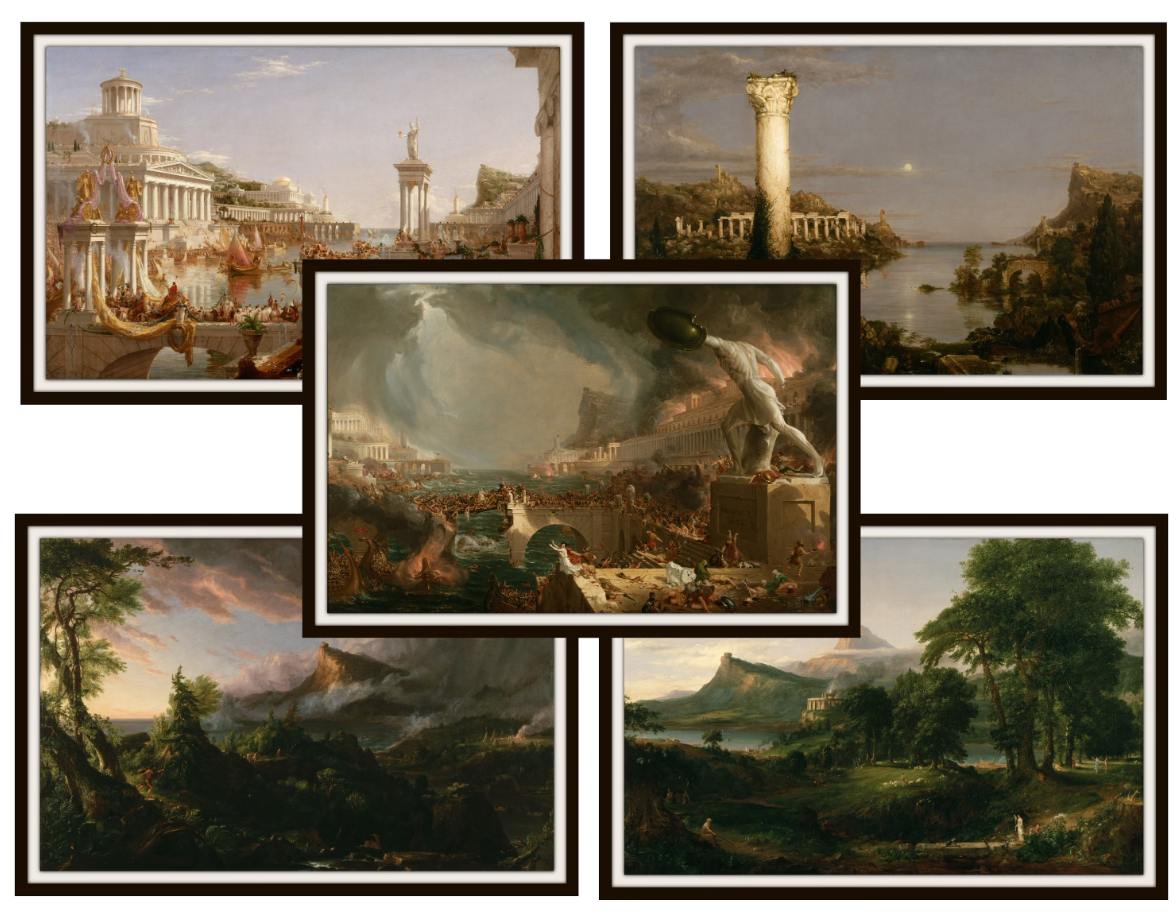
The Course Of Empire Paintings - The 1830s were an optimistic time in america. In 'the course of empire,' he beautifully captured a theory of imperial rise and fall to which most people remain in thrall to this day. A big rock perched atop a cliff overlooking the valley. Civilizations reveals the role art and creative imagination have played in forging humanity, and introduce viewers to works of beauty, ingenuity and illumination across cultures. Visit this section to get an overview of the historical and intellectual currents running through this suite of paintings, then examine each of the five paintings in detail. See cole’s installation diagram for the course of empire. The series depicts the growth and fall of an imaginary city, situated on the lower end of a river valley, near its meeting with a bay of the sea. The valley is clearly visible in each of the works, thanks in part to an uncommon landmark: It is notable in part for reflecting popular american sentiments of the times, when many saw pastoralism as the ideal phase of human civilization, fearing that empire would lead to gluttony and inevitable decay. The five paintings were specifically designed for a prominent spot in reed’s third floor picture gallery in his new york city mansion at no. Starting in 1833 thomas cole spent 3 years creating the course of empire, a series of five paintings describing the arc of human culture from ‘savage wilderness’ through high civilization and its inevitable destruction. Civilizations reveals the role art and creative imagination have played in forging humanity, and introduce viewers to works of beauty, ingenuity and illumination across cultures. The five paintings were specifically designed for a prominent spot in reed’s third floor picture gallery in his new york city mansion at no. The greek doric temple contains pediment sculptures depicting a hunting scene like that in the savage state. The valley is clearly visible in each of the works, thanks in part to an uncommon landmark: Visit this section to get an overview of the historical and intellectual currents running through this suite of paintings, then examine each of the five paintings in detail. In 'the course of empire,' he beautifully captured a theory of imperial rise and fall to which most people remain in thrall to this day. It is notable in part for reflecting popular american sentiments of the times, when many saw pastoralism as the ideal phase of human civilization, fearing that empire would lead to gluttony and inevitable decay. The series depicts the growth and fall of an imaginary city, situated on the lower end of a river valley, near its meeting with a bay of the sea. A big rock perched atop a cliff overlooking the valley. In 'the course of empire,' he beautifully captured a theory of imperial rise and fall to which most people remain in thrall to this day. The valley is clearly visible in each of the works, thanks in part to an uncommon landmark: Civilizations reveals the role art and creative imagination have played in forging humanity, and introduce viewers to works. See cole’s installation diagram for the course of empire. Visit this section to get an overview of the historical and intellectual currents running through this suite of paintings, then examine each of the five paintings in detail. It is notable in part for reflecting popular american sentiments of the times, when many saw pastoralism as the ideal phase of human. The 1830s were an optimistic time in america. See cole’s installation diagram for the course of empire. Civilizations reveals the role art and creative imagination have played in forging humanity, and introduce viewers to works of beauty, ingenuity and illumination across cultures. The valley is clearly visible in each of the works, thanks in part to an uncommon landmark: The. Starting in 1833 thomas cole spent 3 years creating the course of empire, a series of five paintings describing the arc of human culture from ‘savage wilderness’ through high civilization and its inevitable destruction. The valley is clearly visible in each of the works, thanks in part to an uncommon landmark: Visit this section to get an overview of the. Visit this section to get an overview of the historical and intellectual currents running through this suite of paintings, then examine each of the five paintings in detail. The series depicts the growth and fall of an imaginary city, situated on the lower end of a river valley, near its meeting with a bay of the sea. It is notable. The greek doric temple contains pediment sculptures depicting a hunting scene like that in the savage state. Visit this section to get an overview of the historical and intellectual currents running through this suite of paintings, then examine each of the five paintings in detail. Starting in 1833 thomas cole spent 3 years creating the course of empire, a series. The valley is clearly visible in each of the works, thanks in part to an uncommon landmark: The 1830s were an optimistic time in america. Visit this section to get an overview of the historical and intellectual currents running through this suite of paintings, then examine each of the five paintings in detail. The series depicts the growth and fall. See cole’s installation diagram for the course of empire. A big rock perched atop a cliff overlooking the valley. The greek doric temple contains pediment sculptures depicting a hunting scene like that in the savage state. Starting in 1833 thomas cole spent 3 years creating the course of empire, a series of five paintings describing the arc of human culture. The greek doric temple contains pediment sculptures depicting a hunting scene like that in the savage state. Starting in 1833 thomas cole spent 3 years creating the course of empire, a series of five paintings describing the arc of human culture from ‘savage wilderness’ through high civilization and its inevitable destruction. In 'the course of empire,' he beautifully captured a. Starting in 1833 thomas cole spent 3 years creating the course of empire, a series of five paintings describing the arc of human culture from ‘savage wilderness’ through high civilization and its inevitable destruction. Visit this section to get an overview of the historical and intellectual currents running through this suite of paintings, then examine each of the five paintings. The valley is clearly visible in each of the works, thanks in part to an uncommon landmark: A big rock perched atop a cliff overlooking the valley. The five paintings were specifically designed for a prominent spot in reed’s third floor picture gallery in his new york city mansion at no. It is notable in part for reflecting popular american sentiments of the times, when many saw pastoralism as the ideal phase of human civilization, fearing that empire would lead to gluttony and inevitable decay. The series depicts the growth and fall of an imaginary city, situated on the lower end of a river valley, near its meeting with a bay of the sea. The 1830s were an optimistic time in america. See cole’s installation diagram for the course of empire. Civilizations reveals the role art and creative imagination have played in forging humanity, and introduce viewers to works of beauty, ingenuity and illumination across cultures. The greek doric temple contains pediment sculptures depicting a hunting scene like that in the savage state.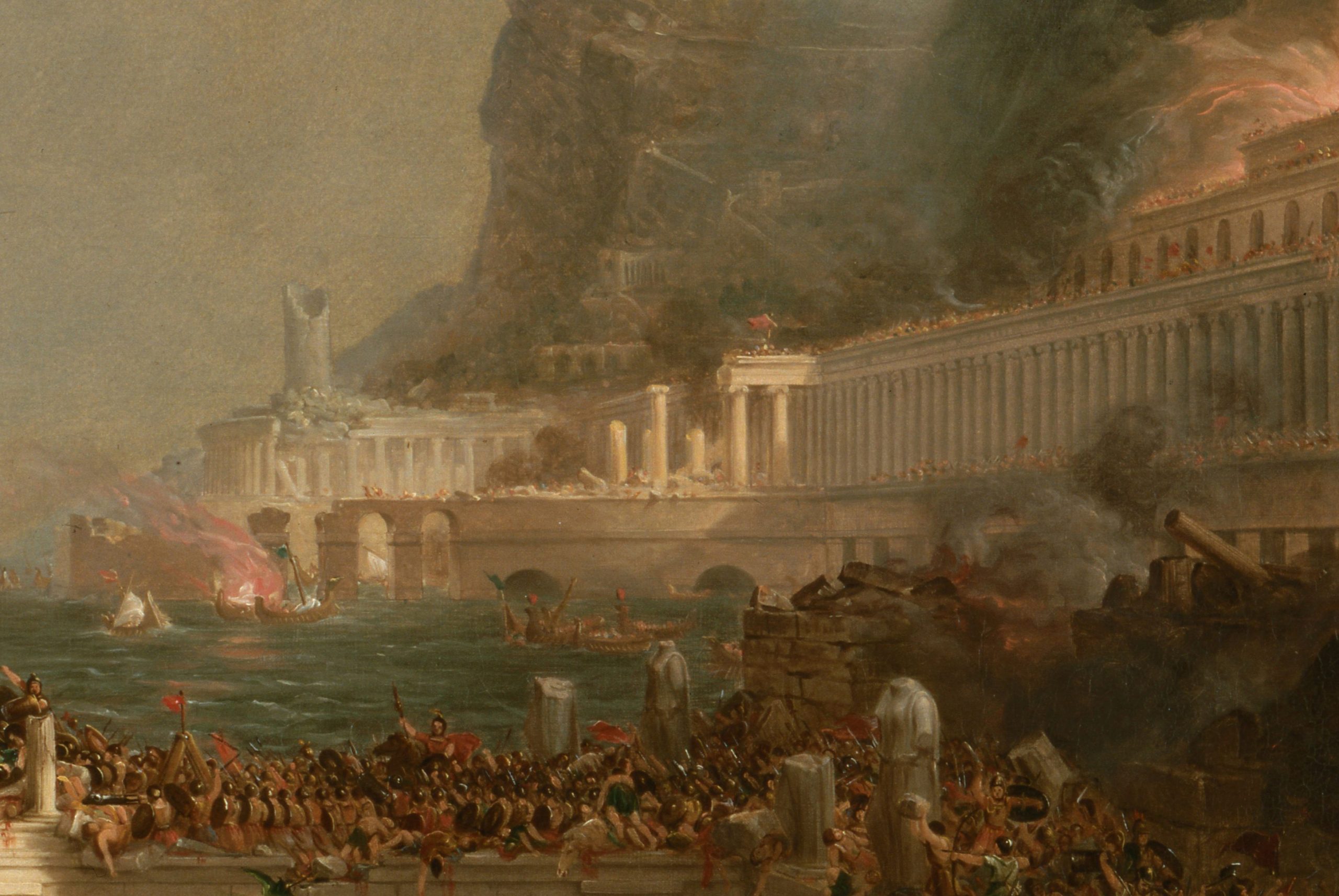
Narrative Painting Thomas Cole, The Course of Empire Destruction, 1836

Thomas Cole the Course of the Empire 1836 COMPLETE SET Etsy The

The Course of the Empire The Consummation of Empire (detail) 1836

Thomas Cole, The Course of Empire Thomas Cole, The Course … Flickr

The Course of Empire The Consummation of the Empire, 1836 by Thomas
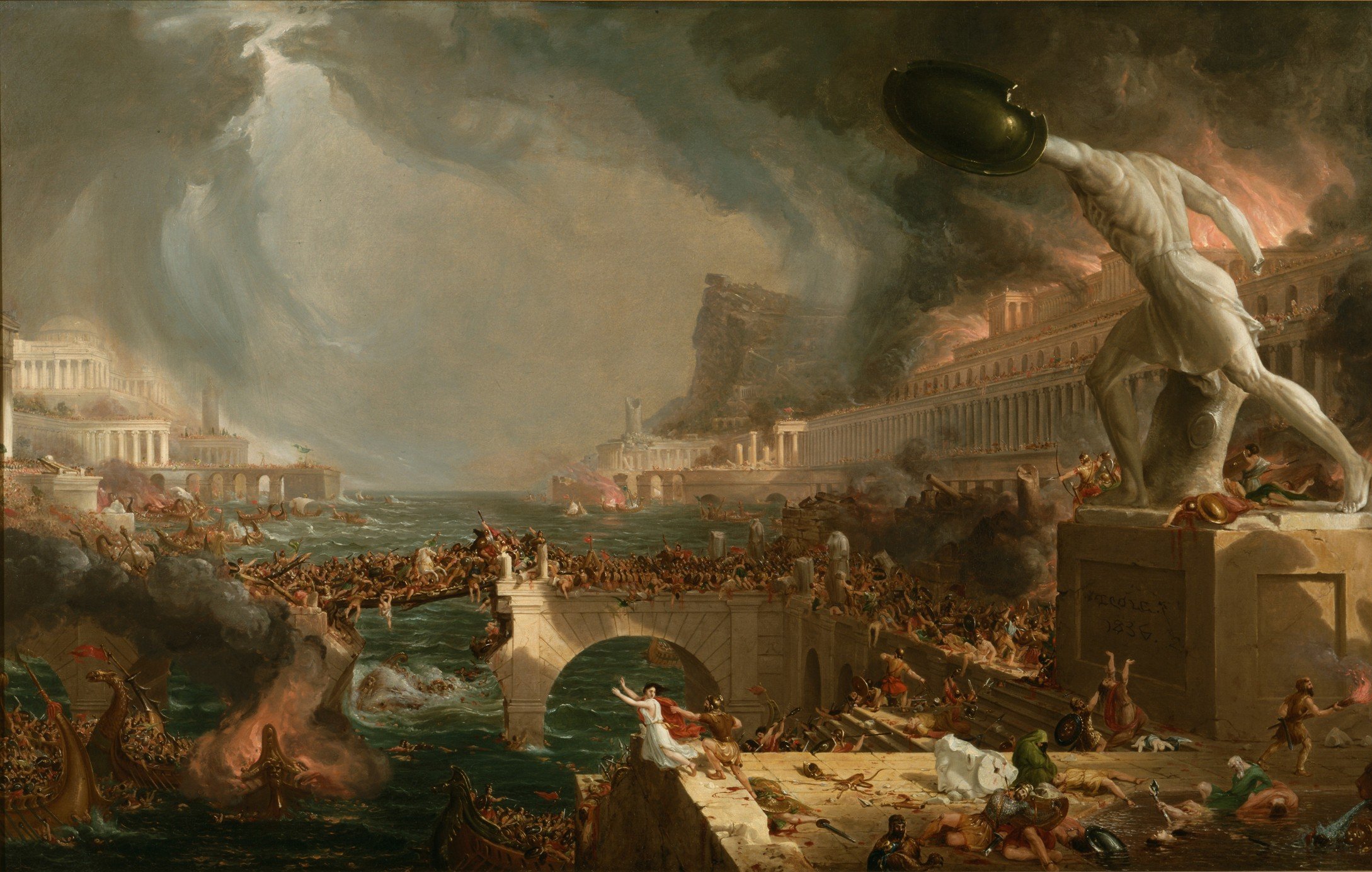
Thomas Cole, The Course of Empire Destruction, Painting, Classic art

Thomas Cole, The Course of Empire The Consummation of Empire, 1836
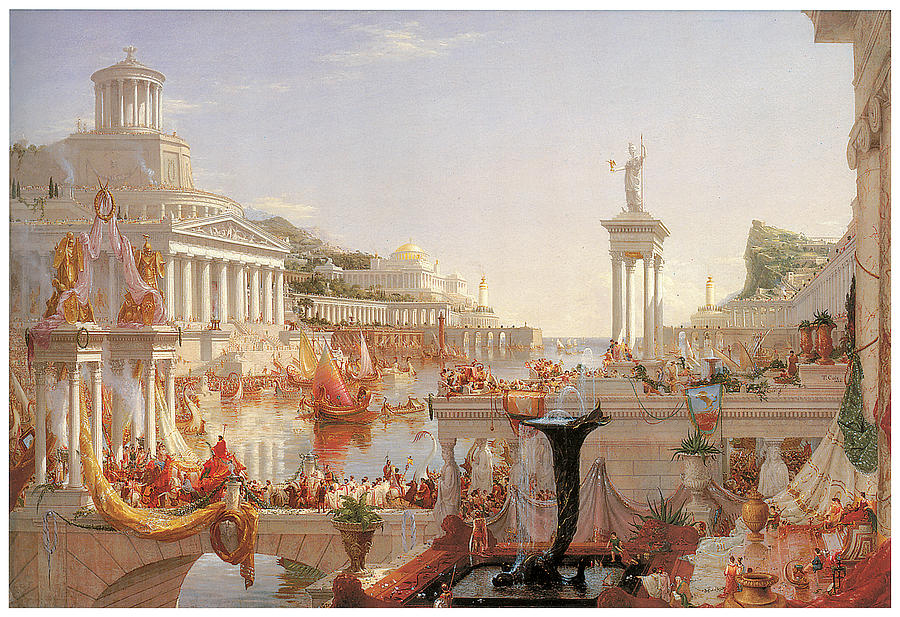
The Course Of Empire Painting by Thomas Cole
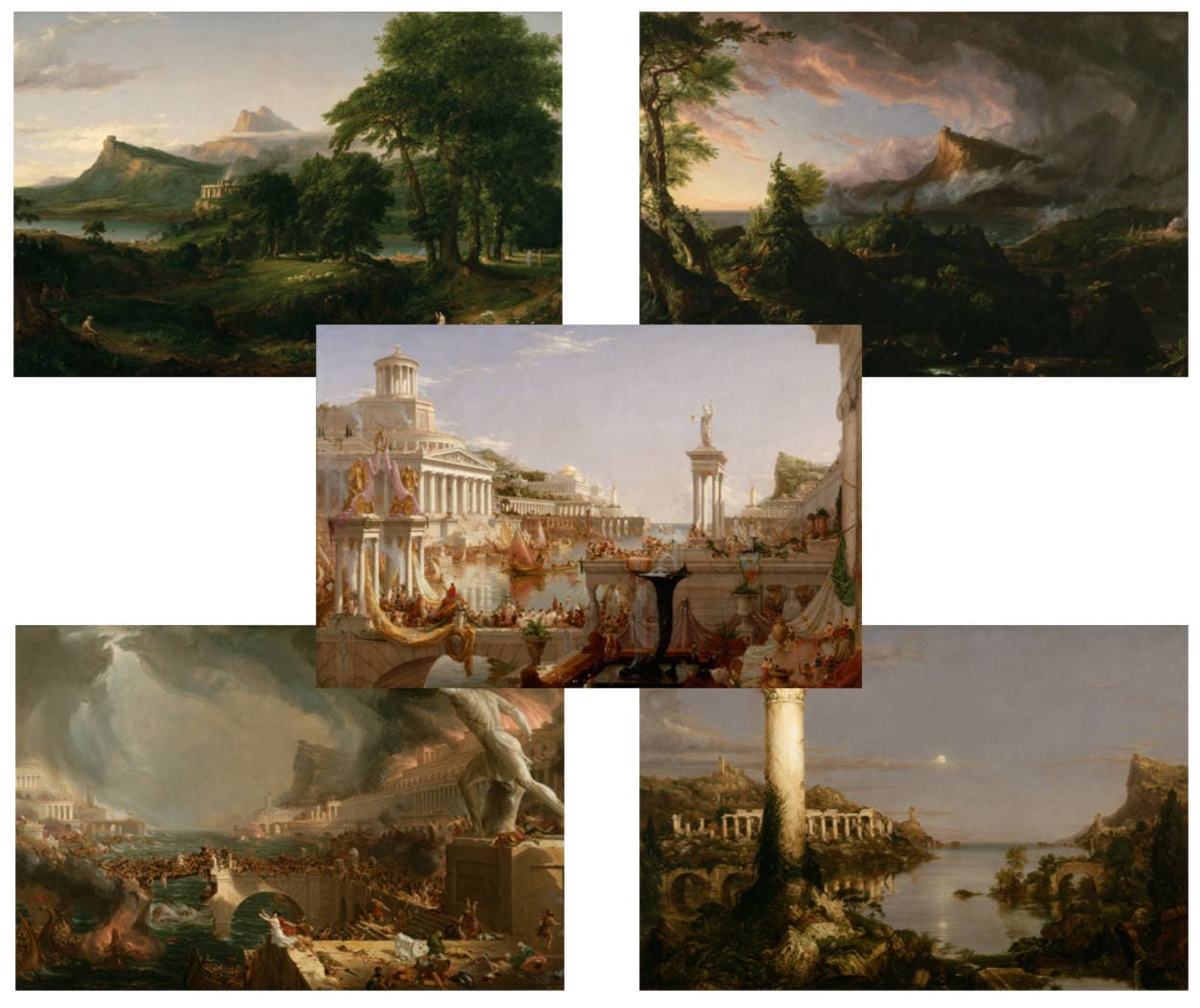
The Course Of Empire
The Course of Empire — Thomas Cole by Alejandro Orradre Medium
Visit This Section To Get An Overview Of The Historical And Intellectual Currents Running Through This Suite Of Paintings, Then Examine Each Of The Five Paintings In Detail.
In 'The Course Of Empire,' He Beautifully Captured A Theory Of Imperial Rise And Fall To Which Most People Remain In Thrall To This Day.
Starting In 1833 Thomas Cole Spent 3 Years Creating The Course Of Empire, A Series Of Five Paintings Describing The Arc Of Human Culture From ‘Savage Wilderness’ Through High Civilization And Its Inevitable Destruction.
Related Post: