
What Courses Are Required For Radiology Tech
What Courses Are Required For Radiology Tech - Additional areas for career opportunities in rad tech are mammography, diagnostic ultrasound, angiography, ct, mri, pet, radiation therapy and health education. If you are choosing an a.a.s. A minimum education requirement to become a radiology tech is an associate’s degree in radiography. You’ll need a high school education to apply to radiology technology programs. Each of the radiologic technology courses builds upon material offered in the previous course. In this article, we will explore the necessary classes, prerequisites, and steps involved in becoming a successful radiology technician. Affordable tuitionestablished 1900financial aid availablecareer focused programs Additional information and reminders are indicated with a. In radiologic technology degree, you will need to complete general education prerequisite coursework before you can apply to the professional radiologic. To start your journey as a radiology tech, focus on your high school education. A minimum education requirement to become a radiology tech is an associate’s degree in radiography. Complete 64 credit hours as outlined in the course of study. You can choose from a certificate, associate degree, or. Earn your high school diploma or ged. Affordable tuitionestablished 1900financial aid availablecareer focused programs Additional information and reminders are indicated with a. A grade of c or better in each radiologic technology course must be achieved before advancing. Most community colleges and vocational schools offer associate’s. If you’re planning to go into the field as early as high school, paying particular attention to science and. There are two types of. To start your journey as a radiology tech, focus on your high school education. The radiologic technology associate degree program is a sequence of courses that prepares students for positions in radiology departments and related businesses and industries. Each of the radiologic technology courses builds upon material offered in the previous course. High school (or equivalency) is mandatory for any. Most community colleges and vocational schools offer associate’s. A grade of c or better in each radiologic technology course must be achieved before advancing. High school (or equivalency) is mandatory for any radiologic technologist. In radiologic technology degree, you will need to complete general education prerequisite coursework before you can apply to the professional radiologic. In nearly all states, radiologic. There are two types of. A minimum education requirement to become a radiology tech is an associate’s degree in radiography. If you’re planning to go into the field as early as high school, paying particular attention to science and. You can choose from a certificate, associate degree, or. Earn your high school diploma or ged. Most community colleges and vocational schools offer associate’s. Additional areas for career opportunities in rad tech are mammography, diagnostic ultrasound, angiography, ct, mri, pet, radiation therapy and health education. If you are choosing an a.a.s. A grade of c or better in each radiologic technology course must be achieved before advancing. You’ll need a high school education to apply to. In radiologic technology degree, you will need to complete general education prerequisite coursework before you can apply to the professional radiologic. Taking science courses like biology and chemistry will give you a solid foundation. High school (or equivalency) is mandatory for any radiologic technologist. You can choose from a certificate, associate degree, or. If you are choosing an a.a.s. Affordable tuitionestablished 1900financial aid availablecareer focused programs Additional areas for career opportunities in rad tech are mammography, diagnostic ultrasound, angiography, ct, mri, pet, radiation therapy and health education. A grade of c or better in each radiologic technology course must be achieved before advancing. In this article, we will explore the necessary classes, prerequisites, and steps involved in becoming a. To start your journey as a radiology tech, focus on your high school education. Each of the radiologic technology courses builds upon material offered in the previous course. Most community colleges and vocational schools offer associate’s. The radiologic technology associate degree program is a sequence of courses that prepares students for positions in radiology departments and related businesses and industries.. Additional areas for career opportunities in rad tech are mammography, diagnostic ultrasound, angiography, ct, mri, pet, radiation therapy and health education. Affordable tuitionestablished 1900financial aid availablecareer focused programs Complete 64 credit hours as outlined in the course of study. Completing an associate degree program is the most common way to meet radiologic technologist educational requirements. High school (or equivalency) is. 4 hours of job shadowing at camden clark radiology department. High school (or equivalency) is mandatory for any radiologic technologist. Completion of these specific courses and/or special requirements may be necessary for timely progress through a major. In nearly all states, radiologic technologists (also known as rad techs or rts) must have at least an associate’s degree in order to. Most community colleges and vocational schools offer associate’s. In nearly all states, radiologic technologists (also known as rad techs or rts) must have at least an associate’s degree in order to use diagnostic medical imaging equipment (although there. You can choose from a certificate, associate degree, or. High school (or equivalency) is mandatory for any radiologic technologist. A grade of. Completing an associate degree program is the most common way to meet radiologic technologist educational requirements. Affordable tuitionestablished 1900financial aid availablecareer focused programs 4 hours of job shadowing at camden clark radiology department. A grade of c or better in each radiologic technology course must be achieved before advancing. To start your journey as a radiology tech, focus on your high school education. Most community colleges and vocational schools offer associate’s. High school (or equivalency) is mandatory for any radiologic technologist. You’ll need a high school education to apply to radiology technology programs. Additional areas for career opportunities in rad tech are mammography, diagnostic ultrasound, angiography, ct, mri, pet, radiation therapy and health education. The radiologic technology associate degree program is a sequence of courses that prepares students for positions in radiology departments and related businesses and industries. If you’re planning to go into the field as early as high school, paying particular attention to science and. If you are choosing an a.a.s. Taking science courses like biology and chemistry will give you a solid foundation. You can choose from a certificate, associate degree, or. Earn your high school diploma or ged. In this article, we will explore the necessary classes, prerequisites, and steps involved in becoming a successful radiology technician.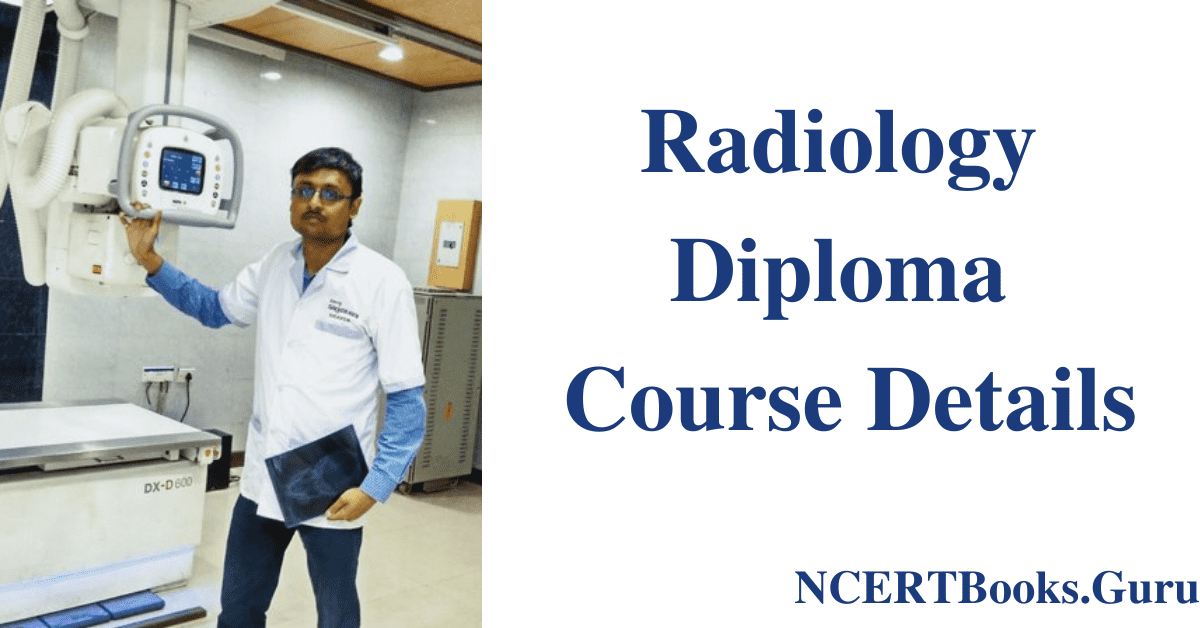
Radiography And Imaging Technology Course at Numbers Mcleod blog
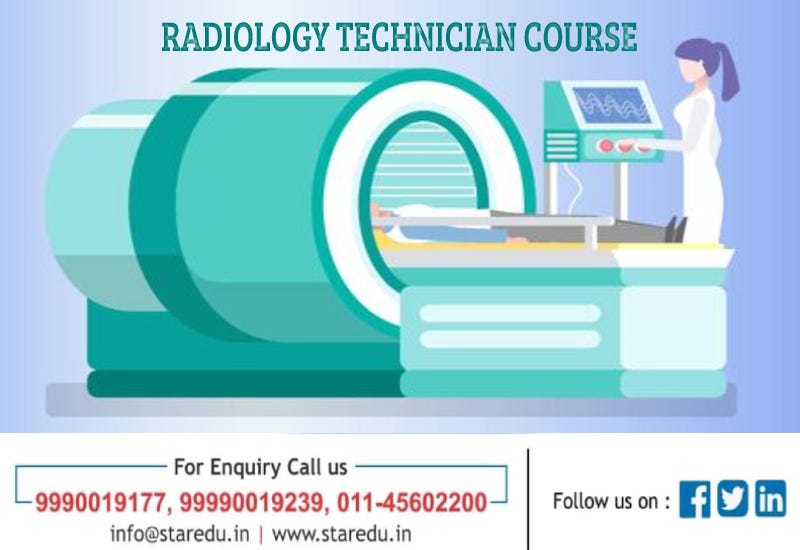
Radiology Technician Course Staredu Medium
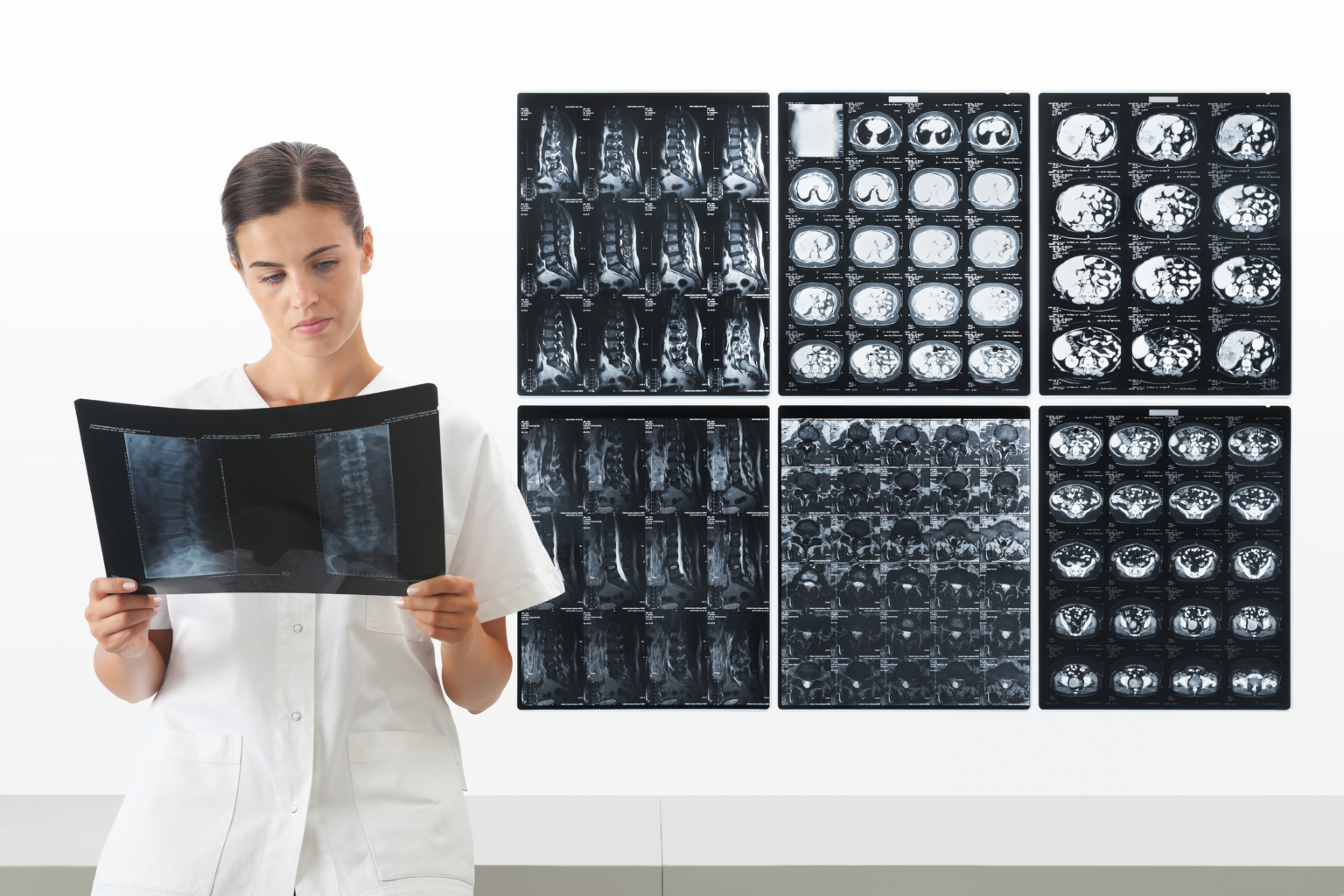
Radiologic Technologist Education Requirements
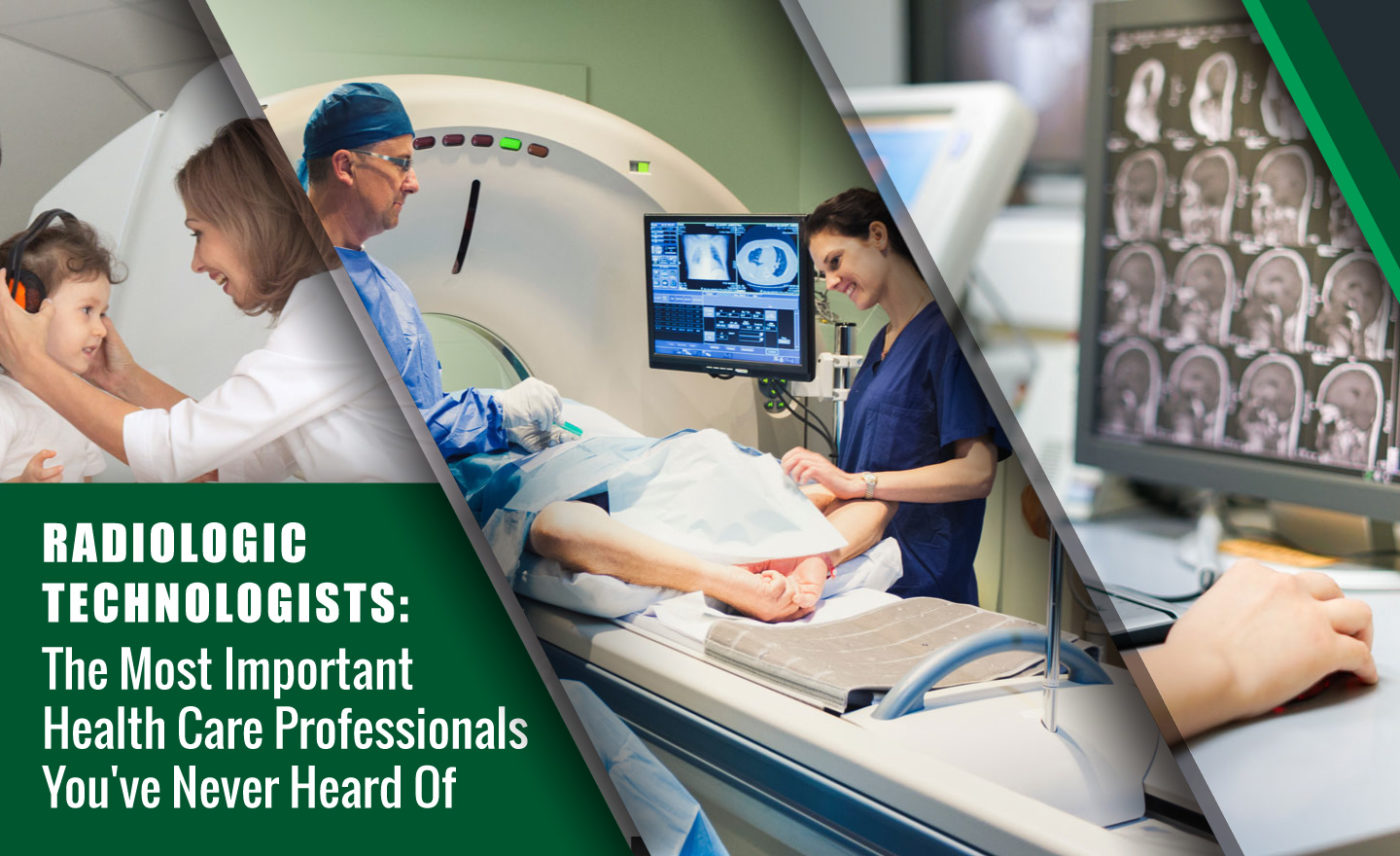
Radiologic Technologists The Most Important Healthcare Professionals
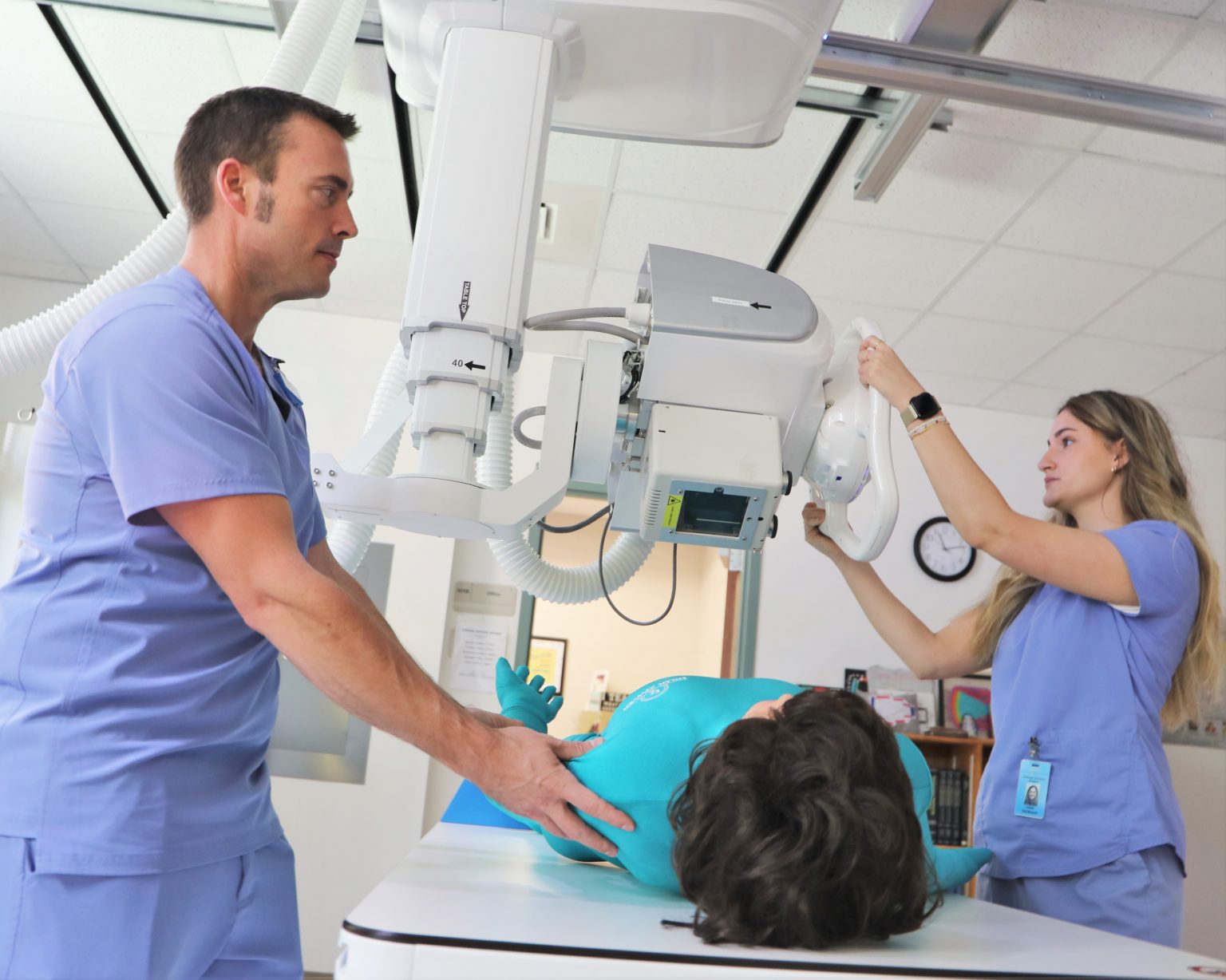
ECC Using Innovative XRay 'Phantom' for Revolutionary Radiologic Tech
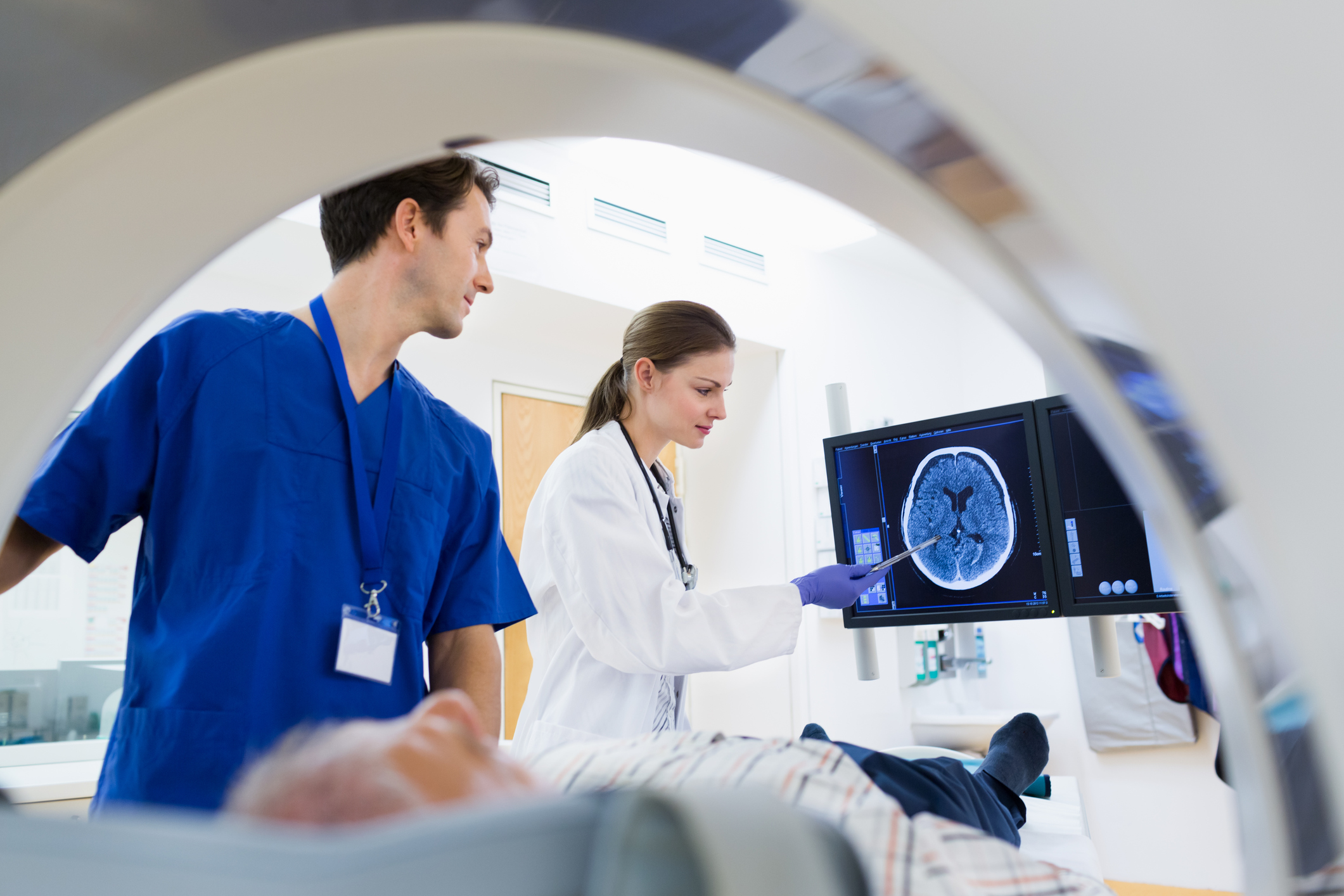
Radiography Education Requirements at Arlene Cruz blog
How To A Radiologic Technologist 6 Steps To Kn vrogue.co

Radiology Courses after 12th Duration, Salary, Top Colleges

Free Radiology Technician Course (1year Diploma Course) Rita
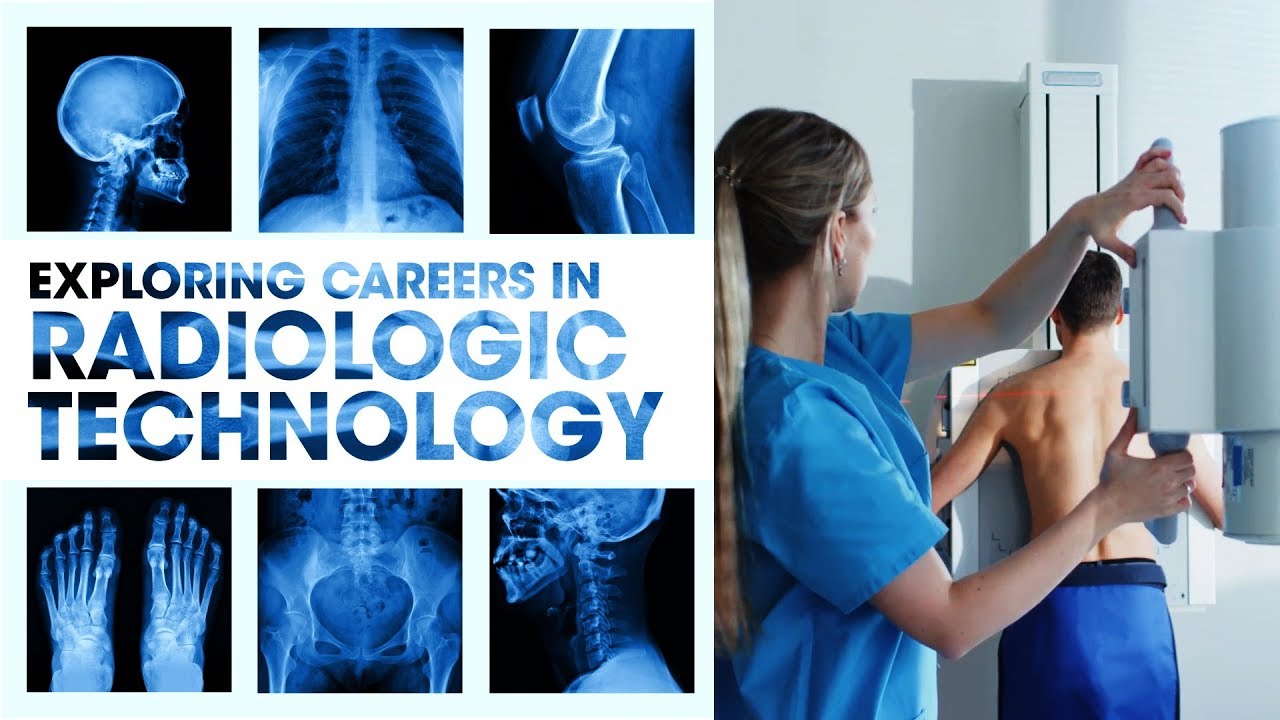
Radiologic (XRay) Technology Start a fastpaced, well paying medical
Additional Information And Reminders Are Indicated With A.
There Are Two Types Of.
In Radiologic Technology Degree, You Will Need To Complete General Education Prerequisite Coursework Before You Can Apply To The Professional Radiologic.
In Nearly All States, Radiologic Technologists (Also Known As Rad Techs Or Rts) Must Have At Least An Associate’s Degree In Order To Use Diagnostic Medical Imaging Equipment (Although There.
Related Post: